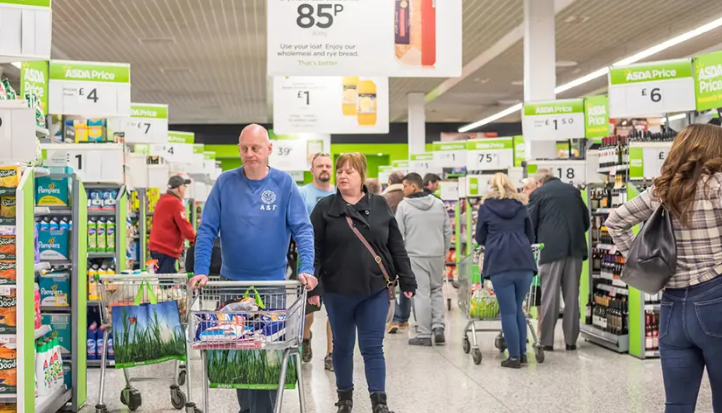
Shop price inflation in the UK slowed more than expected in February, offering households tentative relief from ongoing cost-of-living pressures, according to new data from the British Retail Consortium (BRC) and NielsenIQ. Prices in shops rose 1.1 per cent year-on-year, down from 1.5 per cent in January, reflecting stronger competition and widespread discounting across both food and non-food categories.
The slowdown comes as retailers seek to stimulate demand amid weak consumer confidence. Food prices, while still elevated, increased at a slower pace. Annual food inflation eased to 3.5 per cent in February from 3.9 per cent the previous month. Fresh food inflation edged lower, and ambient food, including products such as coffee, pasta, and canned goods, rose 2.3 per cent, its lowest level in four years. BRC attributed this to lower global commodity costs feeding through supply chains, while competitive pricing in discretionary categories like fashion, health, and beauty helped further dampen price growth.
Non-food prices, including clothing, electronics, and household goods, fell by 0.1 per cent year-on-year in February, compared with 0.3 per cent growth in January. Heavy promotional activity, weaker demand due to unseasonal weather, and cautious consumer sentiment contributed to the decline, according to the BRC.
Helen Dickinson, chief executive of the BRC, described the slowdown as a “welcome relief” but cautioned that pressures had not disappeared. She noted that many households continue to feel strain from higher cumulative costs over the past three years. Mike Watkins, head of retailer and business insight at NielsenIQ, said competitive pricing across both food and non-food segments was helping bring down inflation, though demand remained unpredictable as shoppers prioritize essentials and value options.
The easing in shop price inflation follows a mixed economic backdrop. The government reported a record £30.4 billion budget surplus in January, supported by strong tax receipts and lower debt interest payments. Retail sales surprised positively, yet unemployment has climbed to a five-year high, and economic growth remains sluggish.
Looking ahead, retailers have flagged potential future cost pressures. Implementation of the Employment Rights Act and higher employment costs could increase operating expenses later this year. Industry leaders warned that if secondary legislation raises labour or compliance costs significantly, businesses may pass some of those increases on to consumers.
For now, the slowdown suggests that competitive retail markets and easing global input costs are helping cushion households. Analysts and industry leaders say the continuation of this trend will depend on energy prices, wage growth, and the broader economic outlook in the coming months.