In an increasingly competitive retail market, businesses are placing greater emphasis on product packaging as a way to strengthen customer trust and distinguish their brands.
Packaging is often the first physical interaction customers have with a product. Its design, materials, durability and presentation can influence how shoppers judge the quality of the item before they even open the box.
Industry research has highlighted growing consumer interest in packaging materials, sustainability and presentation. McKinsey’s 2025 packaging research found that preferences differ across markets, with material choices and environmental considerations playing an increasingly important role in how consumers view brands.
The impact is particularly significant in sectors such as cosmetics, jewelry, candles, fashion accessories, electronics and luxury goods. Customers in these markets often expect packaging to offer more than basic protection. The appearance and opening experience can become part of the product itself.
Premium packaging can also affect perceived value. Strong structures, high-quality printing and refined finishes can make products appear more expensive and dependable. Options such as embossing, debossing, foil stamping, soft-touch finishes, magnetic closures and custom inserts are increasingly used by brands seeking a more distinctive presentation.
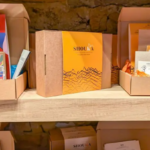
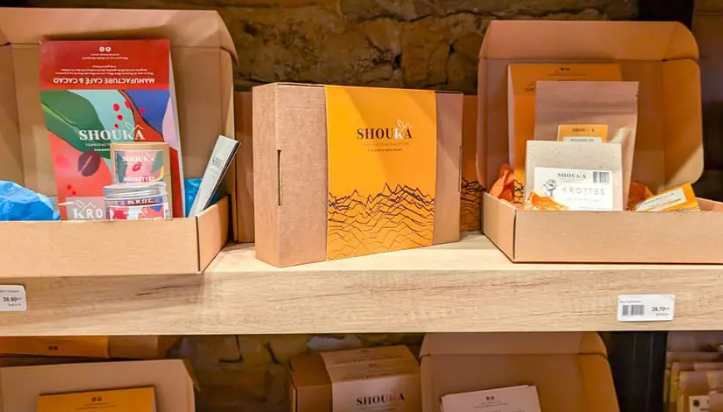
Custom rigid boxes are one option used by businesses targeting the premium market. Their sturdy construction can protect products during transportation while providing a polished appearance. The packaging can also be designed around a company’s branding through customized colors, typography, logos and internal arrangements.
Consistency is another important factor in building customer confidence. When packaging matches a company’s website, product photography and other marketing materials, customers receive a more unified impression of the brand. A professional appearance can reduce uncertainty, particularly for consumers buying from a company for the first time.
The unboxing experience has also become an important part of the customer journey. Branded inserts, thank-you cards, product information and carefully arranged internal packaging can make an order feel more personal. Attractive presentation may also encourage customers to share their purchases online, giving brands additional exposure.
Protection remains just as important as appearance. Damaged goods can quickly undermine customer confidence, making sturdy boxes and appropriate inserts essential for fragile or valuable products.
Businesses are also seeking packaging that combines presentation with convenience. Custom collapsible rigid boxes can provide a premium appearance while requiring less storage space before use, making them suitable for companies handling larger inventories or shipping requirements.
Sustainability is another consideration. Shorr’s 2025 consumer research and McKinsey’s findings indicate that packaging choices can influence purchasing decisions, although expectations vary by market. Recyclable materials, reduced packaging and paper-based solutions are among the approaches businesses are exploring.
For brands, premium packaging is therefore becoming more than a decorative feature. It can protect products, reinforce brand identity, communicate quality and improve the overall customer experience.
As competition increases across retail markets, companies that pay attention to how products are presented may have a stronger opportunity to turn first-time buyers into repeat customers.