The UK economy could slip into recession next year if the Strait of Hormuz remains closed until spring 2027, according to the latest UK Economic Outlook from EY, which warns that a prolonged disruption to global energy supplies would sharply increase inflation and slow economic growth.
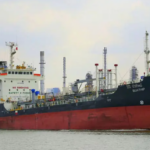
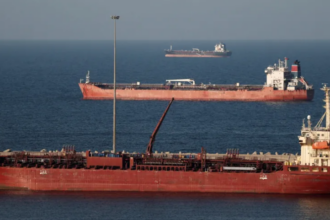
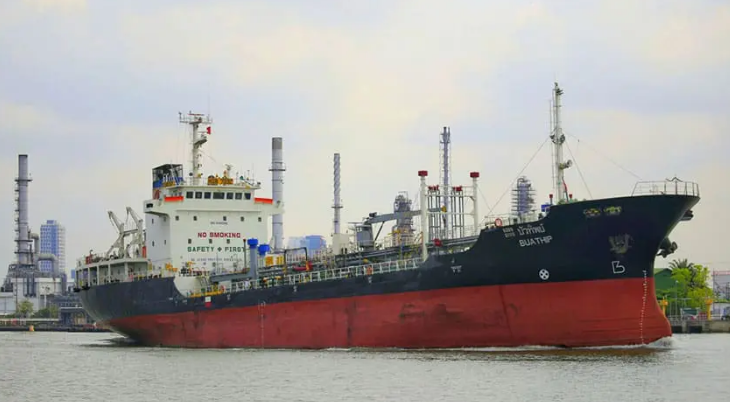
The report presents two possible scenarios for the strategic waterway, which normally carries around 20% of the world’s oil and gas supplies.
Under EY’s central forecast, the Strait reopens by the end of September, allowing energy markets to stabilise. In that case, UK inflation is expected to rise from 2.6% in June to 3.5% before easing, while the economy is forecast to grow by 0.9% in 2026 and 1.2% in 2027. EY also expects the Bank of England to cut interest rates twice next year, bringing the base rate down to 3.25%.
The outlook becomes significantly weaker if the shipping route remains closed into early or mid-2027 following the conflict involving Iran. Under that scenario, inflation would climb to 6.4% by the end of this year, while economic growth would slow to 0.5% before the UK economy contracts by 0.2% in 2027. EY said the country would experience two consecutive quarters of negative growth during the first half of next year.
Inflation last exceeded 6.4% in September 2023, when it reached 6.7%, after peaking at 11.1% in 2022 during the energy crisis. It has since fallen steadily, reaching 2.6% in June, its lowest level since March 2025.
EY also forecasts that unemployment will rise to 5.3% by the end of this year before gradually declining over the following two years.
Peter Arnold, EY’s UK chief economist, said the British economy had shown greater resilience than many expected despite global uncertainty. He noted that oil prices had begun falling back toward pre-conflict levels and that declines in business and consumer confidence had been less severe than those experienced during the 2022 energy crisis.
Arnold warned, however, that continued disruption in energy markets would put that resilience under increasing pressure. He said reopening the Strait in the coming months would help the UK avoid a deeper downturn, while an extended closure could trigger much higher inflation and push the economy into contraction.
The warning comes after US President Donald Trump said he had postponed further military action against Iran because the outlines of an agreement, including the reopening of the Strait of Hormuz, had been reached. Iran has not confirmed any such agreement.
Oil prices recently climbed to $100 a barrel for the first time since May, pushing UK petrol prices to around 160 pence per litre.
EY’s report was released alongside new data from recruitment platform Indeed showing UK job postings have fallen 13% since the beginning of the year. Summer vacancies are at their lowest level in four years, while graduate opportunities have dropped to their weakest level since the pandemic. Annual advertised wage growth slowed to 3.9%, the lowest rate since February 2022.
Indeed also reported that 9.4% of job advertisements now mention artificial intelligence, highlighting the growing influence of AI across the labour market as hiring conditions become more challenging, particularly for graduates and younger workers.