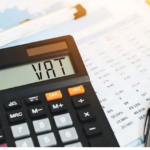
British business owners are increasingly turning to search engines to understand VAT as companies approach a key filing deadline, according to new research from Hiscox.
Searches for “VAT definition” rose by 23 per cent in the past week, while searches for “VAT meaning” increased by 11 per cent. The surge comes as businesses with VAT quarters ending on 30 June prepare for the 7 August deadline.
VAT is among the most searched business acronyms in the UK, generating about 17,500 definition-related searches each month. It ranks below terms such as KPI, which receives around 60,800 monthly searches, as well as GDPR, CRM and EBITDA.
The research found that 52 per cent of business owners do not feel confident about their understanding of common financial and business terminology. When they encounter unfamiliar terms, 16 per cent said they feel frustrated, 13 per cent intimidated and 12 per cent overwhelmed.
Search engines are the most popular source of help, with 69 per cent of respondents using them to find explanations. Social media platforms, including TikTok and LinkedIn, are used by 16 per cent, rising to 31 per cent among people under 30. Around 15 per cent said they use AI tools such as ChatGPT to explain unfamiliar business concepts.
Nick Thornhill, Direct and Partnerships Director at Hiscox, warned that information found through AI tools should be checked before being used in financial or compliance decisions.
“AI tools can help to provide quick explanations, but they’re not always consistent with how information is sourced or explained,” he said.
The consequences of misunderstanding tax rules can be serious. HM Revenue and Customs estimates that the UK tax gap reached £59.2 billion in 2024/25, with VAT accounting for around one-fifth of the total. Small businesses represented 62 per cent of the gap.
Businesses can also face penalties when tax errors are judged to result from a failure to take reasonable care. Such penalties can reach up to 30 per cent of the additional tax owed.
Clare March, founder of Her Business Counts, said the challenge for business owners was understanding how VAT affects day-to-day decisions, including cash flow and growth.
VAT remains a major concern for smaller firms, with some businesses limiting expansion to remain below the £90,000 registration threshold. The introduction of Making Tax Digital and the wider move towards e-invoicing are also adding to the administrative demands facing companies.
Hiscox has partnered with business mentor Jonathan Cooper to offer guidance on improving financial confidence and avoiding common mistakes.
Businesses should also check their own VAT accounting period before assuming they face the 7 August deadline. VAT returns are generally due one calendar month and seven days after the end of the accounting period.