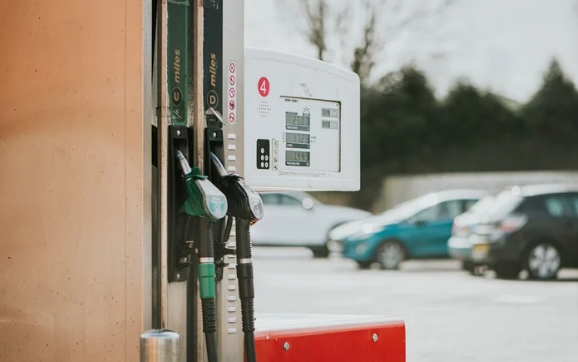
Ireland’s continued reliance on fossil fuels for transport is leaving the country vulnerable to repeated fuel price shocks linked to ongoing global energy market instability, according to a new warning from the Climate Change Advisory Council (CCAC).
In its 2026 Annual Review transport chapter, the council said urgent and sustained investment in public transport systems, active travel infrastructure, electric vehicle (EV) charging networks and national grid capacity is needed to reduce exposure to volatile fuel prices.
The CCAC cautioned that temporary emergency measures aimed at easing fuel price spikes have not been adequately targeted. It recommended that future supports focus specifically on households most exposed to transport costs and least able to switch away from private car use.
While the council welcomed the Government’s pilot scrappage scheme designed to encourage the purchase of new electric vehicles, it said additional measures are required to improve EV adoption among lower-income households. It highlighted particular challenges in areas with high car dependency and limited access to reliable public transport alternatives.
The report also emphasised the importance of expanding EV charging infrastructure nationwide. It said real-time mapping of charging points would help build consumer confidence and make it easier for drivers to transition away from petrol and diesel vehicles.
Transport data included in the review showed a 6% rise in journeys across the Transport for Ireland network in 2025 compared with the previous year, while Local Link services recorded a 19% increase. However, overall public transport usage remained largely unchanged, suggesting that some services may be operating near capacity, particularly during peak commuting hours.
To address these constraints, the CCAC called for accelerated delivery of major infrastructure projects, including DART+ South West, the Luas Finglas extension, and the National Transport Authority’s Park and Ride Investment Programme. These developments, it said, would be essential to increasing system capacity and encouraging a modal shift away from private cars.
Alex White, chairperson of the Climate Change Advisory Council, said fossil fuel price shocks were not isolated incidents but part of a recurring global pattern. He stressed that reducing exposure requires long-term structural change rather than short-term interventions.
He said sustained investment in public transport, a dependable EV charging network, and upgraded electricity grid capacity are central to enabling a successful transition to electric mobility across cars, buses and commercial fleets.
White also highlighted the importance of fairness in the transition, noting that policy support must be directed towards those most affected by high transport costs, particularly lower-income households and people living in areas without practical transport alternatives.
The council’s findings underline growing concern that without accelerated action, Ireland’s transport system will remain exposed to external energy shocks while progress toward climate targets risks slowing.