The UK is considering “any options,” including working with the US and other allies, to ensure the safe passage of oil through the Strait of Hormuz, Energy Secretary Ed Miliband said on Sunday.
Miliband’s remarks came after US President Donald Trump threatened on Saturday to reopen the strategically vital waterway “one way or another” and urged countries including the UK, China, and France to deploy warships to the strait.
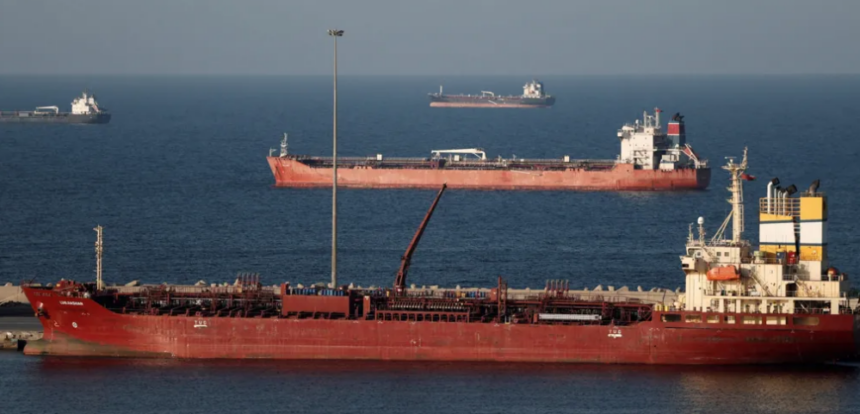
The narrow channel, which handles around 20 percent of the world’s oil supply, has been effectively blocked by Iran in recent weeks, causing significant disruption to global shipping and a spike in energy prices. According to Iranian authorities, the blockade is being maintained as a tool of political and economic pressure against the United States.
As the conflict between the US, Israel, and Iran enters its third week, several vessels attempting to navigate the strait have reportedly been attacked. There are also growing concerns that Iran may have laid mines to further impede shipping.
Speaking on BBC One’s Sunday with Laura Kuenssberg, Miliband said securing the strait was a “priority” and noted the UK was exploring various measures, including the use of mine-hunting drones. “You can rest assured that any options that can help to get the strait reopened are being looked at in concert with our allies,” he said, while declining to provide operational details.
Miliband emphasized that ending the broader conflict remained the most reliable way to reopen the waterway. He described the strait as “very important” for global trade and energy security but stopped short of specifying whether the UK would commit ships or other military assets to the region.
The Strait of Hormuz is a chokepoint for energy flows, linking the Persian Gulf to the Gulf of Oman and the Arabian Sea. Disruptions to shipping have sent oil prices soaring and raised fears of broader supply chain impacts.
Western nations, including the UK, France, and the US, are closely monitoring the situation as tensions escalate in the Gulf. French authorities have already deployed a naval strike group to the region to protect shipping, while Washington has indicated it is prepared to escort commercial vessels through the strait.
Miliband’s comments signal that London is actively coordinating with international partners to mitigate the economic and strategic risks posed by the blockade. While the UK remains cautious about committing forces, officials stress that securing the strait is essential to maintaining energy flows and preventing further disruption to global markets.
The situation in the Gulf remains fluid, with diplomatic and military options being weighed as global leaders seek to prevent further escalation while protecting key international shipping routes.