Rising fuel costs are forcing UK drivers to reconsider essential travel, including hospital visits, according to new research from campaign group FairFuelUK. The survey of more than 37,000 motorists found that 11.9 percent said they might reduce the frequency of regular medical appointments if petrol and diesel prices continue to climb.
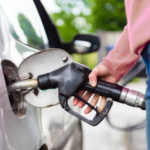
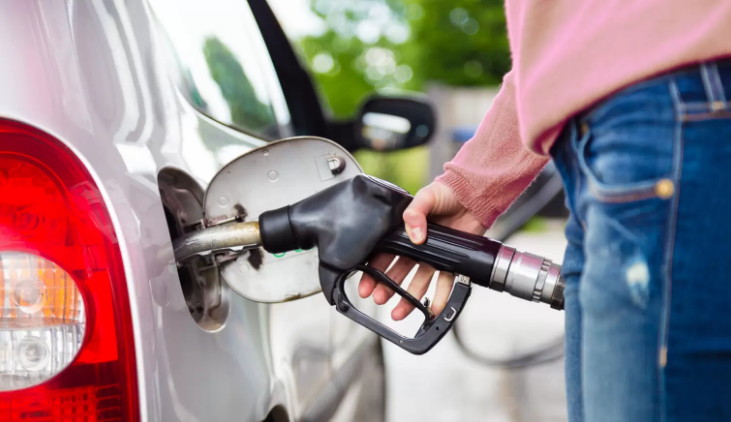
Petrol prices have risen by nearly 10p per litre on average, while diesel has jumped almost 14p since the latest turmoil in global oil markets began. FairFuelUK warns that sustained price increases could have serious consequences for household budgets and wider economic activity.
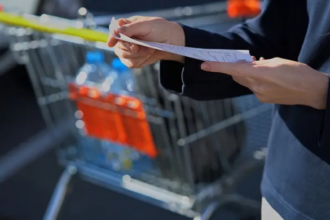
The research indicates that rising costs at the pump are already influencing spending decisions. Over 70 percent of drivers said they would cut back on hobbies, dining out, and entertainment if prices rose further, while nearly 60 percent reported they would buy fewer branded food products. More than half of respondents said they would switch to supermarket forecourts in search of cheaper fuel, and just over half indicated they would reduce the size of their regular grocery shop.
Other cost-saving measures include working from home more frequently, cited by 41 percent of respondents, and greater use of public transport, noted by 38 percent. Campaigners have expressed particular concern over social and essential travel, with nearly a quarter of motorists saying they would cut back on visits to family and friends.
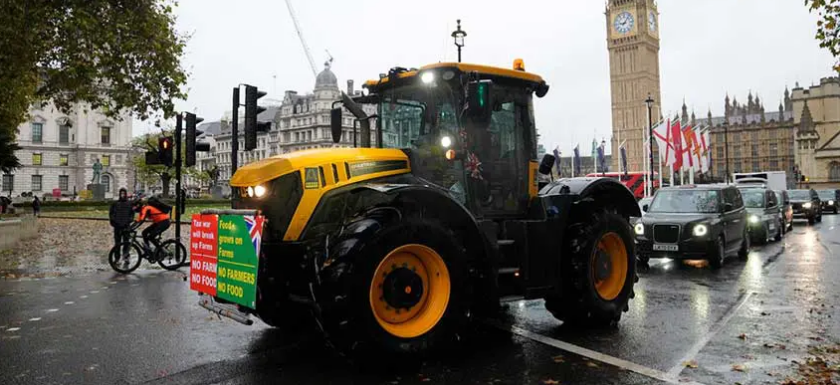
Howard Cox, founder of FairFuelUK, called on the government to act immediately to ease pressure on motorists and prevent further inflationary effects. He suggested cutting fuel duty as a measure to stabilise prices and protect both households and businesses. “Rachel Reeves could calm inflationary pressure and protect the economy from recession by cutting fuel duty now and promising to scrap any increase in this regressive tax in the lifetime of this Parliament,” Cox said.
Cox also highlighted the high level of fuel taxation in the UK, urging reforms to reduce costs for consumers and small businesses. He recommended removing VAT on fuel duty, describing it as a form of double taxation, and strengthening regulatory oversight to ensure fair pricing.
The survey also explored motorists’ perceptions of how fuel retailers respond to wholesale price changes. Nearly 43 percent of respondents said they had noticed pump prices rising before wholesale costs increased, and of those, 83.7 percent identified major oil companies, including Shell, BP, Esso, and Texaco, as charging the highest prices. Supermarket stations were widely seen as offering lower prices, though some, including Asda and Tesco, were reported to have increased prices quickly.
FairFuelUK is calling for a “PumpWatch” system to monitor pricing across the fuel supply chain and impose fines if companies are found to be profiteering. With global energy markets remaining volatile and geopolitical tensions disrupting oil supplies, the pressure on UK motorists is expected to continue in the months ahead.
The survey underscores the potential economic and social impact of rising fuel prices, highlighting the risk that essential travel, including healthcare access, may be curtailed if costs remain high.