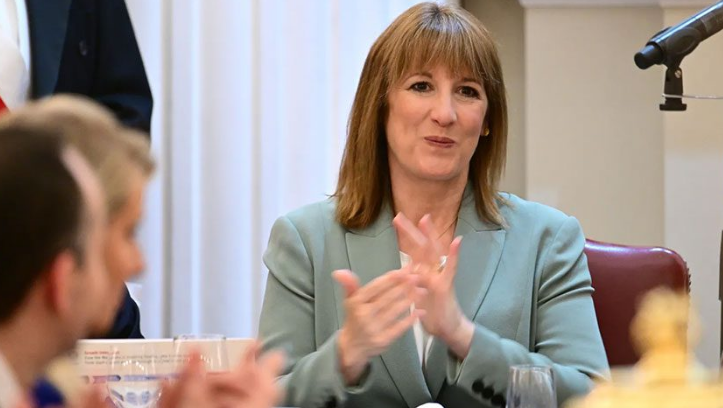
Chancellor Rachel Reeves has pledged to halt the flow of British technology companies and scientific talent overseas, warning that the long-standing pattern of firms “drifting abroad” must come to an end as part of a broader push to revitalise UK economic growth. Speaking ahead of a major address to business leaders in London, Reeves said the government would invest £2.5 billion into artificial intelligence (AI) and quantum computing to strengthen the UK’s position as a global technology hub and ensure more homegrown innovation scales domestically rather than relocating to markets such as the United States.
The announcement comes amid growing concern within government and industry that the UK is failing to retain its most promising tech businesses. While Britain continues to produce world-class startups and research, many companies ultimately move overseas in search of deeper capital markets, more favourable tax regimes, and stronger institutional support. Reeves said her economic strategy aims to reverse that trend through what she described as a more “strategic and active state,” combining targeted investment with regulatory stability and stronger international partnerships.
Next-generation technologies form the centerpiece of Reeves’ plan. Quantum computing, considered the next frontier of computational power, is expected to drive innovation across industries from pharmaceuticals to finance. AI, already reshaping productivity and automation, is highlighted as an area where the UK can achieve the fastest adoption rate among G7 countries. Reeves projected that quantum technologies alone could create up to 100,000 jobs, framing the investment as both an economic and industrial priority.
The chancellor acknowledged that ambitions face challenges in the current economic climate. Rising oil and gas prices, triggered by escalating conflict in the Middle East, could add inflationary pressure and slow growth, complicating government efforts to stimulate domestic investment. She confirmed that decisions on major North Sea oil projects, including Rosebank and Jackdaw, would be taken soon, while emphasising energy resilience through closer cooperation with European partners and integration with EU energy markets.
Reeves also indicated that selective regulatory alignment with the EU could support growth and jobs in sectors such as chemicals, manufacturing, and advanced industry. The proposals have drawn criticism from opposition figures, who argue they risk undermining Brexit gains, while business leaders focus on structural obstacles, including gaps in scale-up funding and the competitiveness of the London Stock Exchange.
Reeves’ intervention signals a clear intention to position the UK as a place not only to start a business but also to scale and globalise it. Whether this ambition succeeds will depend on the government’s ability to implement policy while navigating geopolitical instability, energy volatility, and shifting global capital flows.
For now, the message from Reeves is unequivocal: allowing Britain’s most valuable technology companies and scientific talent to move overseas is no longer an acceptable outcome.