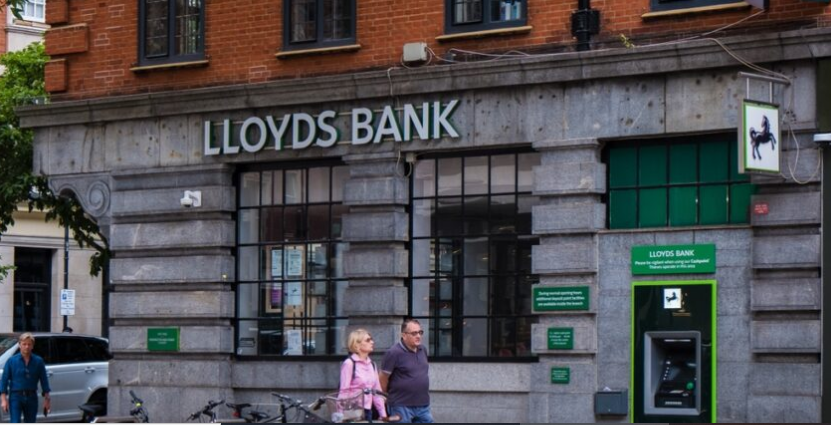
Lloyds Banking Group has announced plans to close 95 additional High Street branches across the UK, citing a sustained decline in in-branch usage as more customers switch to digital banking. The closures will affect 53 Lloyds Bank sites, 31 Halifax branches, and 11 Bank of Scotland locations between May this year and March 2027.
This latest round of closures follows an earlier programme that will see 49 branches shut by October, meaning that once all planned closures are complete, Lloyds Banking Group will operate 610 branches nationwide.
A spokesperson for the group said the move reflects changing customer behaviour. “Customers want the freedom to bank in the way that works for them, and we offer more choice and ways to manage money than ever before,” the spokesperson said. The bank reported that over 21 million of its customers now rely primarily on its mobile app for day-to-day banking.
The closures are part of a wider trend across the UK banking sector, where digital adoption has accelerated and footfall in physical branches has declined. Increasing numbers of services, from account management to mortgage consultations, are now delivered online or remotely, reducing the need for in-person visits.
Santander UK has taken a similar approach, recently confirming the closure of 44 branches, putting nearly 300 jobs at risk. In contrast, Nationwide Building Society, the country’s largest building society, has committed to keeping all 696 of its branches open until at least 2030, although it has reduced its estate in previous years.
To address the reduced branch presence, some banks are trialling shared “banking hubs,” where multiple institutions offer in-person services at a single location. However, the rollout of these hubs has been slower than the pace of branch closures, leaving some communities with limited access to face-to-face banking.
The closures will impact towns and cities across England, Wales, and Scotland, including Birmingham, Bristol, Cardiff, London, Manchester, Glasgow, Aberdeen, and Swansea. Critics warn that vulnerable and elderly customers could face difficulties as more services move online. Banks maintain that the changes respond to customer demand and allow them to invest heavily in digital infrastructure to meet modern banking needs.
Analysts say Lloyds’ decision highlights the ongoing transformation of the UK’s retail banking sector. With mobile and online banking now central to customer habits, traditional High Street branches are in retreat, and banks are reshaping their networks to reflect the new reality.
The group said it remains committed to supporting customers during the transition and providing alternatives for those who continue to rely on in-person banking services.