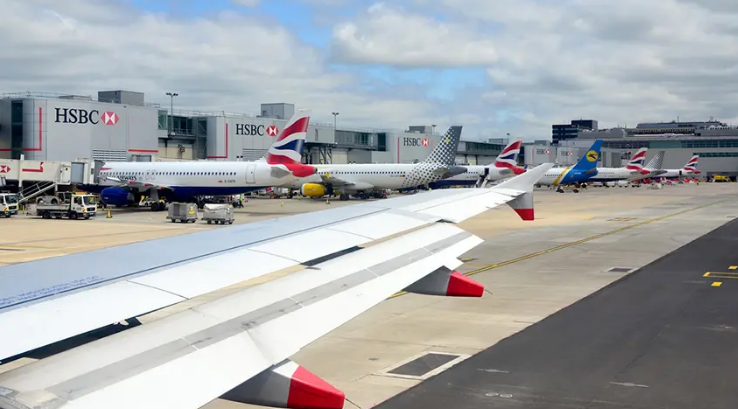
International Airlines Group (IAG), the owner of British Airways, Iberia, Aer Lingus, and Vueling, has announced a fresh €1.5 billion share buyback following a record year of profitability, highlighting the airline sector’s recovery from the pandemic.
The FTSE 100-listed group reported a 22 per cent rise in profit after tax to €3.34 billion for 2025, while revenues increased 3.5 per cent to €33.2 billion. Passenger numbers were slightly down at 121.5 million, but stronger pricing and higher revenue per passenger drove the financial gains.
IAG also declared an 8.9 per cent increase in its dividend, continuing a trend of UK corporates returning cash to investors after the pandemic. The new share buyback follows a €1 billion programme completed last year, reflecting the company’s confidence in its financial position.
“Market dynamics are compelling, with long-term demand growth in our core markets and constrained supply in a consolidating industry,” the group said, citing strong demand across transatlantic and European routes and delivery delays from aircraft manufacturers.
The share buyback is expected to reduce the number of shares in circulation, supporting earnings per share and the group’s share price. IAG’s stock, which fell below £1 during the height of the pandemic, is now approaching historic highs, though still below its 2018 peak of around 470p.
IAG has moved decisively from crisis-era debt to financial strength. Just over three years ago, the group carried close to €20 billion in debt as international travel collapsed under Covid restrictions. Since then, profitability has returned, and leverage has been significantly reduced.
Chief executive Luis Gallego attributed the turnaround to higher margins across IAG’s airline brands. Iberia achieved an operating margin of 16.2 per cent, while British Airways recorded 15.1 per cent, both historically strong levels. “Our margins are significantly better than those of many global competitors,” he said.
Looking ahead, IAG expects annual capacity growth of 2 to 4 per cent, although industry-wide expansion will remain limited by aircraft supply constraints. The North Atlantic continues to be the group’s most important market, with growth moderating as the route network matures. Demand from US travellers softened slightly during the summer peak season, while the South Atlantic is expected to see mid-single-digit growth.
Short-haul European operations, which account for more than a third of capacity, face pressure from rising costs and weaker demand in parts of northern Europe.
Despite these challenges, IAG’s record profits and substantial shareholder returns underline the strength of premium transatlantic and leisure travel demand, marking a stark contrast to the group’s precarious financial position during the pandemic.