The John Lewis Partnership is facing a High Court challenge that could reshape how modern retail sales are treated under decades-old property leases, particularly in the era of online shopping and click-and-collect services.
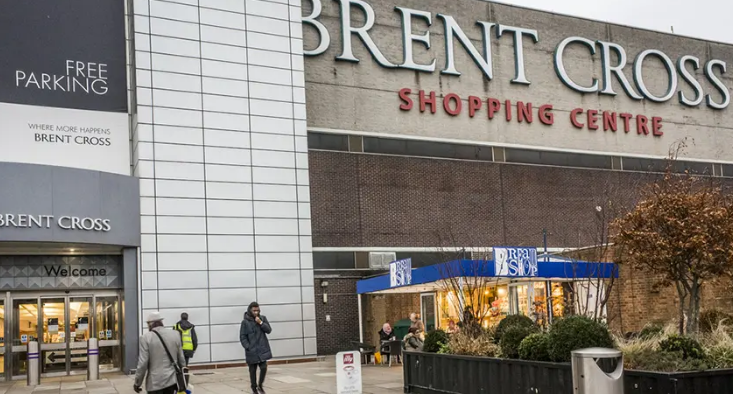
Hammerson, the FTSE 250 property company that currently owns Brent Cross shopping centre in north London, alongside its predecessor Standard Life, has accused the retailer of underpaying rent for more than ten years. The dispute centres on whether click-and-collect transactions and other digitally initiated purchases collected in-store should be included in “gross receipts” used to calculate turnover-based rent.
John Lewis has been an anchor tenant at Brent Cross since 1976 under a 125-year lease signed four years before the centre opened. The agreement requires the retailer to pay a base rent of £30,000 annually, plus a variable charge based on sales: 0.75% on turnover between £4 million and £10 million, and 1% on anything above that threshold. Based on estimated store sales of around £50 million a year, the total rent would equate to roughly £475,000 annually.
At the time the lease was drafted in 1972, retail structures were heavily dependent on physical footfall. Landlords commonly offered favourable terms to major tenants such as department stores, relying on their presence to drive traffic and support smaller retailers across shopping centres. However, the growth of e-commerce has since complicated how sales are attributed to physical locations.
Hammerson argues that online orders collected in-store, fulfilled from the store, or initiated at the store but delivered elsewhere should all be included in rent calculations. The claim cites lease wording covering orders “received or filled at or from” the premises, regardless of final delivery point.
John Lewis is disputing the interpretation, maintaining that the lease predates digital commerce and cannot reasonably be extended to cover online transactions. The partnership has not commented publicly, but sources close to the case suggest it views click-and-collect sales as fundamentally separate from in-store retail activity.
The landlords also allege inconsistencies in how sales figures have been reported over the past decade. They claim that audit certificates provided by John Lewis included disclaimers stating they were not full audits and lacked detailed breakdowns of sales data, raising questions about whether all relevant income has been properly accounted for.
The legal action seeks full disclosure of annual sales data dating back to 2013, with potential backdated rent payments and interest if underpayment is proven.
The case is being closely watched across the retail and property sectors, where turnover-based leases have become more common since the rise of hybrid shopping models. Legal experts say the outcome could influence how digital and physical sales are treated in future lease agreements.
A trial date has yet to be set, but the ruling is expected to have wide implications for landlords and retailers navigating the blurred boundaries between online and in-store commerce.