The UK is expected to experience the sharpest economic slowdown among major global economies due to the ongoing conflict in the Middle East, the Organisation for Economic Co-operation and Development (OECD) has said. In its latest outlook, the OECD cut the UK’s growth forecast for 2026 to 0.7 per cent, down from an earlier estimate of 1.2 per cent, placing it among the weakest performers in the G20. Only Italy is projected to grow more slowly among G7 economies, while the UK is also forecast to face some of the highest inflation rates in the group.
The downgrade reflects the UK’s heavy reliance on imported energy, which has been hit by rising oil and gas prices following the US–Israel strikes on Iran. Disruptions to supplies through the Strait of Hormuz have sent wholesale prices soaring, pushing up costs for households and businesses. The OECD warned that a prolonged conflict could trigger “significant energy shortages” worldwide, with knock-on effects on fertiliser costs, agricultural output and food prices next year.
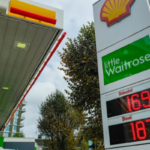
Rising energy prices are already being felt at the pumps and in household heating bills. Businesses are facing higher input costs across supply chains, which could be passed on to consumers. The OECD now expects UK inflation to reach 4 per cent this year, up from a previous estimate of 2.5 per cent, before easing to 2.6 per cent in 2027. Across the G20, inflation is projected to average 4 per cent, up from 2.8 per cent, highlighting the global nature of the shock.
The combination of weaker growth and rising inflation raises the risk of stagflation, creating challenges for the Bank of England and policymakers. Financial markets are adjusting, with expectations that interest rate cuts may be delayed or reversed. Mortgage lenders have raised rates and withdrawn hundreds of deals in response to the higher inflation outlook, a sharp reversal from earlier in the year when monetary policy was expected to ease gradually.
Chancellor Rachel Reeves acknowledged the impact of the conflict but defended the government’s approach. “In an uncertain world we have the right economic plan,” she said, noting that recent policy decisions had improved the country’s resilience. Opposition figures, however, seized on the OECD’s downgrade as evidence of structural weaknesses. Conservative MP Mel Stride described it as a “damning verdict” on the UK’s vulnerability, while the Liberal Democrats called it a “wake-up call” for policymakers.
Retailers and manufacturers have reported rising costs tied to energy, fuel and transport. Executives warn that sustained increases may force companies to pass higher expenses onto consumers. The OECD stressed that any support measures should be “timely and well-targeted,” focusing on vulnerable households and viable businesses while encouraging energy efficiency.
Long-term solutions include reducing reliance on imported fossil fuels and investing in renewable energy and infrastructure to strengthen domestic resilience. The OECD’s latest forecasts highlight the UK economy’s fragility, showing how external pressures and structural vulnerabilities leave it exposed to global shocks. Households and businesses face renewed cost-of-living pressures as the full impact of the energy crisis continues to unfold.