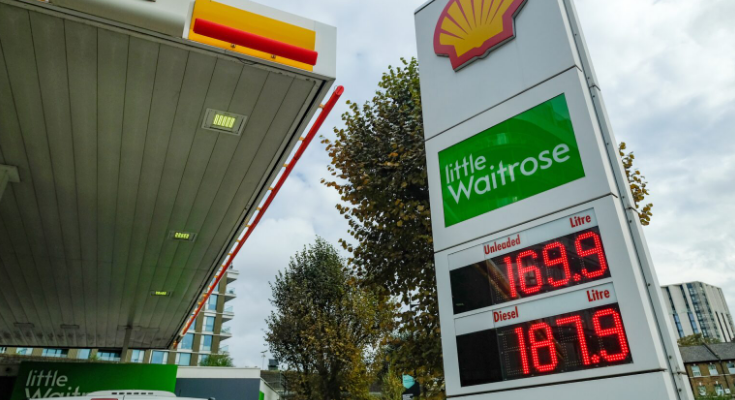
UK drivers are facing a surge in fuel costs, with petrol expected to top £1.50 per litre for the first time in nearly two years as tensions in the Middle East continue to ripple through global energy markets. According to the RAC, the average petrol price has already reached 149.82p per litre, with diesel climbing even higher to 176.66p—a rise of more than 34p since the strikes on Iran began.
The increase marks the highest diesel prices in the UK since the energy crisis sparked by Russia’s invasion of Ukraine in late 2022. Analysts say the spike underscores how sensitive fuel markets are to geopolitical shocks. Brent crude, the global benchmark for oil, is trading around $107 per barrel, up from roughly $70 a month ago and briefly touching $120 earlier in June.
Simon Williams of the RAC warned that prices could rise further in the short term. “Wholesale fuel data suggest petrol could reach 152p per litre, with diesel climbing towards 185p,” he said. Williams noted that as long as oil remains near $100, prices may stabilize, but further volatility is possible depending on the course of the conflict.
Fuel costs vary widely across the UK. Motorway forecourts are charging over 171p per litre for petrol and more than 190p for diesel, with some sites exceeding 200p. In contrast, drivers in parts of Lancashire are paying closer to 143p per litre for petrol, highlighting growing regional disparities.
Rising fuel costs are expected to affect broader inflation, increasing transport and logistics expenses that feed into the price of goods and services. Households reliant on cars for commuting are seeing an immediate hit to disposable income, while businesses in transport and logistics face rising operational costs that may be passed on to consumers.
The government is poised to benefit from the surge through increased tax revenues. UK fuel is subject to 20% VAT on top of fuel duty, creating a “tax on a tax.” The RAC Foundation estimates that with consumption of nearly 47 billion litres of fuel last year, VAT revenue could rise from around £13 billion to £15.5 billion, delivering an estimated £2.5 billion windfall to the Treasury.
Amid the price increases, the government has accused fuel retailers of profiteering, though forecourt operators reject the claim, arguing that higher wholesale costs are being passed on to consumers. The debate underscores ongoing tensions over transparency in fuel pricing and how costs are distributed along the supply chain.
The trajectory of fuel prices will depend on developments in global oil markets. A reduction in geopolitical tensions and a stabilization of supply could slow the increase, but continued disruptions may drive prices even higher. For now, drivers in the UK face renewed volatility at the pumps, highlighting how global events can quickly translate into everyday economic pressures.