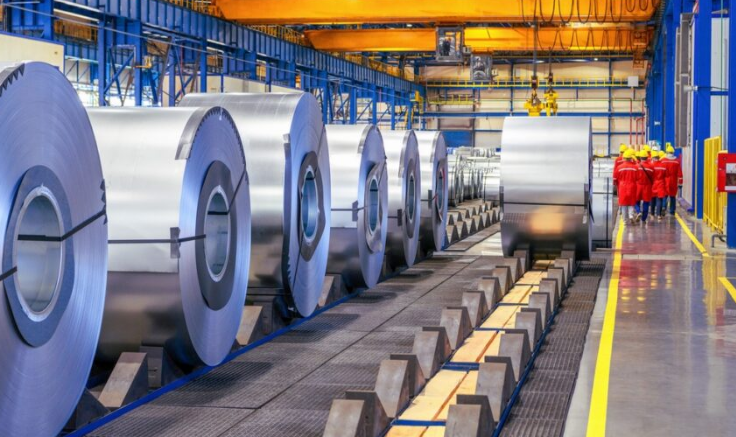
The UK government has announced a major intervention in the steel market, aiming to produce up to 50 per cent of the steel used domestically while imposing steep new tariffs on imports to support the struggling sector. Under the plan, import quotas will be cut by 60 per cent from July, and any steel brought into the UK above these limits will face a 50 per cent tariff.
Business Secretary Peter Kyle unveiled the measures at Port Talbot, saying the policy was designed to strengthen industrial resilience and counter what he described as “anti-competitive behaviour” in global steel markets. The government currently sources about 30 per cent of its steel domestically and intends to raise that share to 50 per cent, though no specific deadline has been set.
The 50 per cent tariff on excess imports represents a significant escalation in trade policy. While tariffs are paid by importing companies, the costs are typically passed through supply chains, potentially affecting manufacturers, construction firms, and consumers. Ministers insist the policy is not protectionist but a safeguard against global overcapacity and subsidised production that undercuts UK steelmakers. Transitional arrangements may exempt imports contracted before 14 March from tariffs if delivered between July and September.
The UK steel sector broadly welcomed the announcement, which it has long called for. Gareth Stace, head of industry body UK Steel, said the plan marked a long-overdue shift in strategy. “The UK has lacked a coherent industrial plan for steel for years, despite its central role in national security, infrastructure delivery, and the transition to low-carbon energy systems,” he said. Trade unions also cautiously supported the move, with the GMB highlighting questions around ownership and long-term technological direction at sites such as Scunthorpe.
Opposition figures warned of potential economic fallout. Andrew Griffith said higher import costs could ripple through construction and other industries, potentially reducing investment and putting additional pressure on UK manufacturers already facing tight margins.
The intervention comes as the UK steel industry continues to grapple with high energy costs, global oversupply, and fluctuating demand. Recent government support has helped ease energy expenses, but UK producers still face higher bills than many European and US competitors. Rising oil and gas prices, fueled by geopolitical tensions in the Middle East, could add further strain.
The government’s push also reflects broader strategic concerns about maintaining sovereign capability in critical industries. Public funds currently support operations at key sites in Scunthorpe and Rotherham, while Tata Steel’s Port Talbot site is developing an electric arc furnace to recycle scrap metal and cut carbon emissions in line with the UK’s net zero ambitions.
The success of the strategy will depend on balancing protection for domestic producers with competitiveness across the wider economy. By increasing local production, ministers hope to strengthen supply chains, safeguard jobs, and place steel at the centre of the UK’s economic, environmental, and national security priorities.