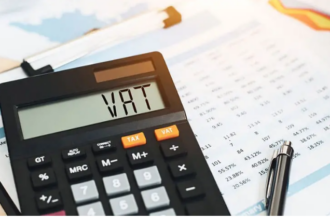
Thousands of UK small businesses may be deliberately restricting growth to stay below the £90,000 VAT registration threshold, according to new figures from HM Revenue & Customs (HMRC). The data has reignited debate over the so-called “cliff-edge” effect of the current system, which critics say discourages firms from expanding.
HMRC reported that 683,700 businesses had turnover below the VAT threshold in the year ending December 2025, up from 671,000 the previous year. Meanwhile, the number of firms reporting turnover between £90,000 and £150,000 fell sharply to 280,400, down from 306,300.
Accountancy firm Lubbock Fine said the figures suggest that some companies are actively managing revenue to remain under the threshold rather than moving into a higher trading bracket, which would make VAT registration mandatory.
Currently, businesses exceeding £90,000 in taxable turnover must register for VAT and charge 20 per cent on most goods and services. Registration also involves quarterly reporting and compliance obligations, which often require specialist accounting support.
For microbusinesses operating on narrow margins, particularly in hospitality, retail, and trades, the threshold can represent a sudden increase in administrative workload and pricing pressures. Adding VAT can make services less competitive compared to smaller, non-registered rivals.
Industry advisers report that some cafés and shops are reducing opening hours or closing on quieter days, while tradespeople may cap workloads or move to four-day weeks to avoid exceeding the threshold. Others are restructuring operations into separate legal entities, a practice known as “business splitting,” to keep reported turnover below the VAT limit.
Political attention has grown around the issue. In February, the House of Commons business and trade committee said the VAT threshold “actively discourages” firms from growing, particularly in labour-intensive sectors with thin margins. Although the threshold was raised in 2024 for the first time in seven years, critics argue it has not resolved the structural distortions.
Views on reform remain divided. The Resolution Foundation has proposed lowering the threshold to around £30,000, which it estimates could raise £2 billion annually for the Treasury. Business groups warn that such a move would force many microbusinesses into compliance regimes they are ill-equipped to handle.
Jaspal Dhillon, VAT partner at Lubbock Fine, called instead for raising the threshold to £115,000 to reflect inflation. “It would ensure the administrative and cost burden of VAT falls on businesses with the scale and cashflow to absorb it, rather than holding back smaller firms at the point they are trying to grow,” he said.
Small and medium-sized enterprises continue to face high employment costs, energy prices, and subdued consumer demand. Economists say the VAT threshold issue is likely to feature in broader discussions on productivity and growth ahead of upcoming fiscal announcements.