Driverless taxis could start operating in the United Kingdom as early as September, according to Waymo, the US self-driving car company owned by Alphabet. The firm announced plans to launch a pilot robotaxi service in London in April, with the goal of carrying paying passengers later in the year once regulations are in place.
The UK government has indicated it plans to introduce rules in the second half of 2026 to allow fully autonomous taxi services, although no exact start date has been confirmed. Local transport minister Lilian Greenwood said the government was actively supporting trials.
“We’re supporting Waymo and other operators through our passenger pilots, and pro-innovation regulations to make self-driving cars a reality on British roads,” Greenwood said. She added that autonomous vehicles could improve road safety, noting that unlike human drivers, self-driving cars “don’t get tired, don’t get distracted and don’t drive under the influence.” Safeguards against hacking and cyber threats will also apply.
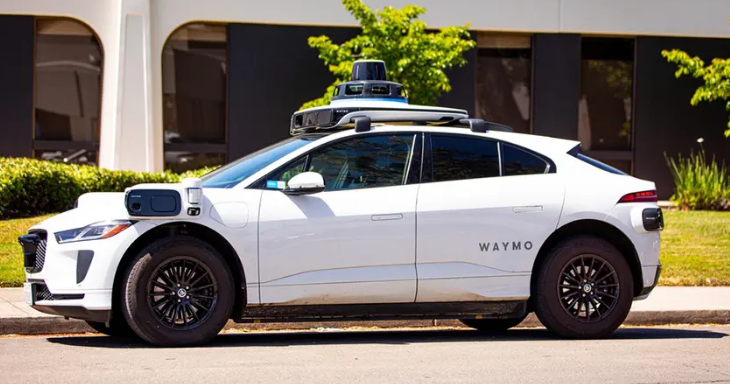
Waymo showcased a fleet of its autonomous vehicles at London’s Transport Museum this week. The cars are currently being driven by safety drivers while mapping the city’s streets, but when the service opens to the public there will be no human behind the wheel.
The initial pilot will allow passengers to hail rides via a smartphone app, though airport drop-offs will not be included. Waymo said fares will be “competitive but premium,” with prices increasing during periods of high demand. The vehicles use a combination of lidar, cameras, radar, and microphones to build a 360-degree view of their surroundings. According to the company, they can detect hazards up to three football fields away, even in poor weather, with a high-powered computer processing the data in real time to navigate the streets safely.
The UK government has estimated that the autonomous vehicle sector could contribute £42 billion to the economy by 2035 and create nearly 40,000 jobs. Waymo’s planned London launch comes amid growing competition in the sector. Both Uber and Lyft have indicated they are prepared to roll out robotaxi services once regulations allow, partnering with Chinese technology firm Baidu.
Waymo has extensive experience operating autonomous vehicles in the US, where its fleet has driven more than 173 million miles without human intervention. The company currently runs around 1,000 robotaxis in San Francisco and 700 in Los Angeles. However, isolated technical issues have been reported, including rare cases where passengers were temporarily unable to exit vehicles.
If approved, the London launch would be one of the most significant steps in bringing large-scale autonomous transport to UK roads, potentially reshaping urban mobility and setting the stage for widespread adoption of self-driving taxis across the country.