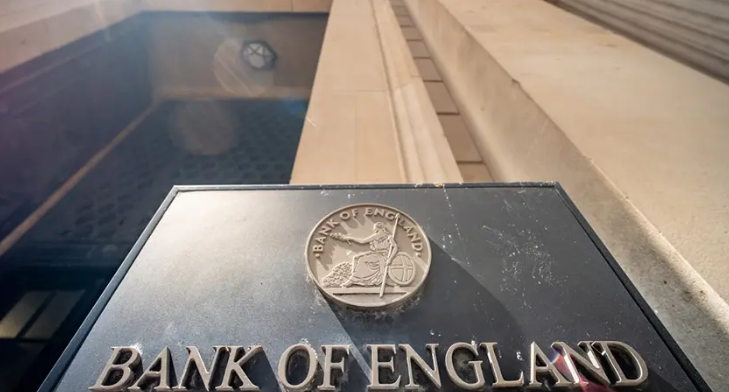
The Bank of England is fast-tracking the expansion of its Leeds operations as part of a wider programme to reduce costs, slim down headcount, and consolidate its London estate. Under new plans approved by the Bank’s court of directors, half of all external recruitment will now be directed to Leeds, as the institution works to meet its target of 500 staff in the city by 2027, around 10 per cent of its total workforce.
Court minutes show executive directors have been instructed to allocate 50 per cent of new hires to the northern hub to “further progress” the regional expansion. The move comes as the Bank aims to cut operating costs by 8 per cent in the next financial year, in part to limit the growth of levies on the financial services industry.
The Leeds expansion has been in development since the Bank announced plans for a major northern presence five years ago. A larger office opened in the city in 2023, with growth driven through voluntary relocations from London and local recruitment. Progress has been slower than expected, with just 156 London-based staff indicating interest in moving north by December 2024, despite relocation expenses of up to £8,000. Currently, just over 200 employees are based in Leeds.
Governor Andrew Bailey has described the Leeds office as an opportunity to better reflect the communities the Bank serves while widening its talent pool beyond London. The expansion is also tied to an internal transformation programme following an external review of the Bank’s forecasting and modelling capabilities led by former Federal Reserve Chair Ben Bernanke. Officials have described the reforms as the most significant shake-up since the Bank gained operational independence in 1997.
As part of restructuring, staff have been invited to apply for voluntary redundancy under a “mutually agreed resignation” scheme to deliver sustainable savings. Leeds-based employees are exempt from this process.
The Bank is also preparing to consolidate its London footprint. It plans to vacate 20 Moorgate, the headquarters of the Prudential Regulation Authority, when the lease expires in 2028. Most staff will move to the historic Threadneedle Street site, which is undergoing major renovation. Directors described the overhaul as a “once in a generation opportunity” to improve both the Bank’s premises and geographical reach, while noting the reputational risks of redeveloping a building of historic significance.
The Bank of England first opened a branch in Leeds in 1827 and is now based at Yorkshire House, a refurbished 1937 building. Officials cited the city’s strong financial sector, commercial property availability, higher education institutions, and growing strengths in data, artificial intelligence, and green finance as reasons for the location.
A Bank spokesperson said: “Our UK footprint ensures we best represent the public we serve, build stronger links across the regions, and attract a wider pool of talented workers. Over the coming years, we plan to consolidate our London locations and, in the meantime, continue to expand our presence in Leeds.”
The expansion highlights the central bank’s efforts to balance regional growth with fiscal restraint as it modernises operations and addresses scrutiny over costs and governance.