Ikea is accelerating its move toward smaller, city-centre stores in the UK, marking a departure from its long-standing reliance on large out-of-town megastores. The Swedish retailer is targeting urban locations after strong performance at its new Oxford Street flagship in London and a central Brighton store.
Peter Jelkeby, outgoing chief executive of Ikea UK and Ireland, said the company’s future expansion would prioritise compact urban formats, reflecting changing shopping habits and the rising cost of business rates. “We see more potential in opening more smaller stores like Oxford Street and Hammersmith,” he said. “That’s where customers are, and that’s where growth is.”
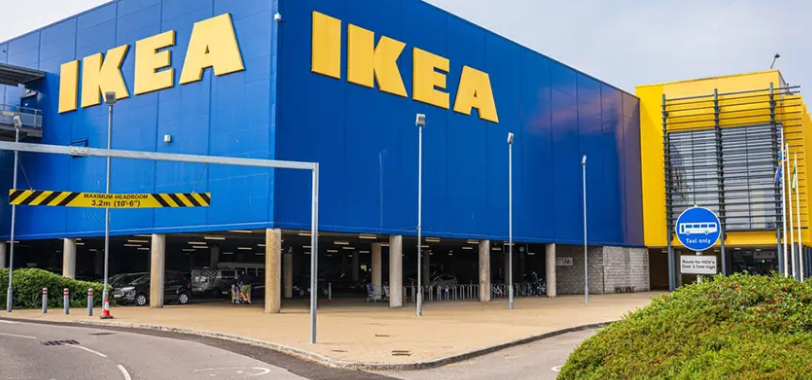
While Ikea has no plans to close existing megastores, Jelkeby confirmed the company will not open any new large-scale sites in the UK. Instead, the retailer is focusing on enhancing its current warehouse stores with improved fulfilment, click-and-collect services, and in-store offerings, rather than expanding their footprint.
Rising business rates have played a key role in the strategic shift. Large retail units attract higher rateable values, increasing tax liabilities. Upcoming reforms, including a new surcharge on commercial properties with rateable values above £500,000, are expected to heighten that pressure. Jelkeby said reform is needed quickly to create a positive climate for retail. “We of course want to have lower business rates,” he said.
In addition to city-centre outlets, Ikea is experimenting with mid-sized stores in retail parks, bridging the gap between small urban locations and traditional megastores. New sites in Harlow, Norwich, and Chester illustrate the company’s more flexible approach to bricks-and-mortar retail.
Ikea believes its current network already provides sufficient large-format stores across the UK and Ireland. The retailer closed its Tottenham megastore in north London in 2022, concluding that smaller central locations offered stronger long-term potential in the capital. The Oxford Street store, which opened in May, has seen robust sales across furniture, home accessories, and its restaurant, which has exceeded expectations. “We’ve had to increase checkout capacity and scale up food operations to cope with footfall,” Jelkeby said.
The UK business is owned by the Ingka Group, Ikea’s largest global franchisee. Jelkeby will now move to lead Ikea’s German division, where he intends to test a similar strategy using lessons from the UK. “Germany is our biggest market and more traditional than the UK,” he said. “Britain has allowed us to trial new ways of meeting customers where they are.”
Ikea’s shift reflects a broader trend in retail, with companies seeking to meet consumers closer to urban centres, reduce reliance on sprawling megastores, and respond to cost pressures from property taxes and changing shopping patterns.