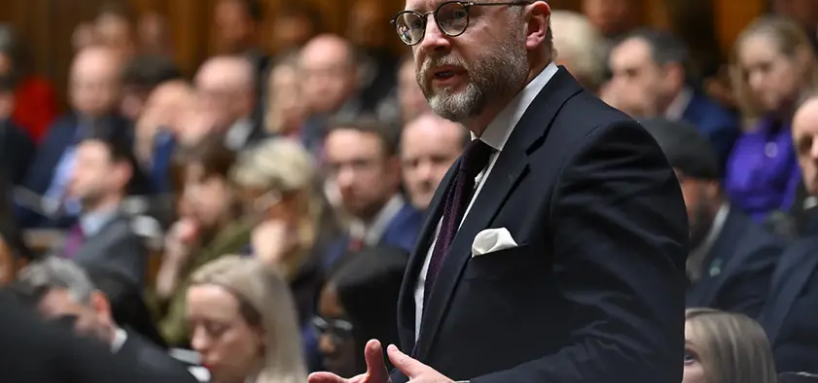
British businesses are being urged to take a closer look at the economic policies of Reform UK as the party gains traction in national politics, according to Labour MP Liam Byrne, chair of the House of Commons business and trade select committee.
In an interview with The Times, Byrne warned that if Reform UK were to become the dominant force on the political right, companies could face significant uncertainty due to the party’s unclear economic agenda. “If Reform is set to become the predominant party of the right, then businesses absolutely are going to need to understand where they’re coming from,” Byrne said. He added that historical evidence shows populist, interventionist administrations can have damaging effects on the economy.
Reform UK, led by former Brexit Party figure Nigel Farage, has been increasing its engagement with the corporate sector. The party’s head of policy, Zia Yusuf, participated in a high-profile Q&A session at the annual Confederation of British Industry conference in November, a move seen as an effort to signal transparency to business leaders. The party’s deputy leader, Richard Tice, is scheduled to speak at a City investor event in January hosted by VSA Capital, where he is expected to outline Reform’s financial and economic policies.
Byrne said many executives he consults are uneasy about Reform’s rise. He described them as “fairly terrified” by the prospect of the party gaining influence, noting that the global economic environment is already fragile. He questioned whether Reform’s economic plans could resemble what he described as “Liz Truss mark two,” a reference to past policies that critics argue destabilised the UK economy.
Reform UK has rejected Byrne’s criticism. Tice stated that both Labour and Conservative governments had “wrecked the public finances” and left the economy in a precarious state following the 2024 general election. He argued that Reform UK’s approach would restore fiscal discipline, lower borrowing costs, and cut excessive regulation. “Only Reform will get public spending under control so that the nation’s borrowing costs come down,” Tice said. “We will also cut huge swathes of unnecessary regulation that slow growth and increase the cost of living. Then, and only then, will we cut taxes to stimulate growth.”
With Reform UK polling strongly and seeking to expand its influence among corporate leaders, Byrne urged companies to push for detailed information rather than accepting broad policy statements at face value. He emphasized that the next year will be critical for businesses to assess the party’s credibility and understand the potential economic impact of its proposals.
As the UK faces economic challenges and political uncertainty, Byrne’s message signals a call for vigilance, asking businesses to scrutinise emerging political forces carefully to safeguard their interests.