Germany is on track to become Europe’s standout growth story heading into 2026, as economists predict steady expansion and a renewed wave of international business interest in the continent’s largest economy. Forecasts suggest that Germany’s GDP will grow by 1.3% next year, supported by an unprecedented combination of public and private investment exceeding €1 trillion.
The federal government is expected to inject around €500 billion into infrastructure projects, while private-sector investors are set to contribute more than €630 billion. This spending is projected to boost key industries including manufacturing, technology, renewable energy, and digital infrastructure — areas seen as crucial to driving sustainable growth.
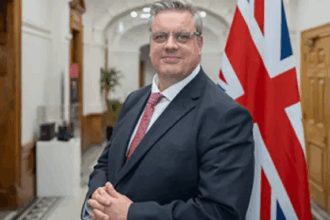
“Germany’s fundamentals make it a standout destination for international expansion,” said Scott Winter, HR Executive at global employment specialist Agility EOR. “The combination of a highly skilled, bilingual workforce, a central European location, and the widespread adoption of hybrid work creates an ideal environment for global employers seeking growth.”
Agility EOR, which supports companies in building international teams, has strengthened its foothold in Germany by securing an Arbeitnehmerüberlassung (AÜG) licence — a key certification that allows it to provide compliant employment and workforce solutions for global firms expanding into the country.
Winter said that demand from international employers looking to enter the German market has grown significantly in recent months, particularly as confidence begins to return across the Eurozone. “We’re helping organisations expand quickly and compliantly, giving them access to top-tier talent while ensuring full alignment with local labour laws,” he added.
Recent workplace data highlights the growing importance of flexibility for German workers. A study by the ifo Institute found that employees in Germany work remotely an average of 1.6 days per week, compared with a global average of 1.2 days. Another survey by Continental revealed that nearly half of German employees — 47% — would consider leaving their jobs if remote work options were reduced.
These findings underscore the shift in workplace culture that has taken hold since the pandemic, as hybrid work becomes a defining feature of Germany’s employment landscape.
“Companies that fail to offer flexibility risk losing top talent to those with the foresight to adapt,” Winter said.
With its new licence in place, Agility EOR is positioning itself as a trusted partner for global employers seeking to establish or expand operations in Germany. As the Eurozone’s economic outlook brightens and investment accelerates, analysts say Germany’s renewed focus on innovation and sustainability could make 2026 a pivotal year for international business expansion across Europe.