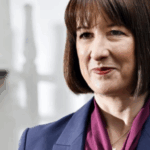
The heads of Britain’s largest supermarket chains have warned that food prices could rise again if Chancellor Rachel Reeves increases taxes on the retail sector in next month’s Budget.
In a joint letter to the Treasury, executives from Tesco, Sainsbury’s, Asda, Morrisons, Aldi, Lidl, Waitrose, Marks & Spencer, and Iceland cautioned that households would “inevitably feel the impact” of any hike in business rates or new levies on the industry.
“Given the costs currently falling on the industry, including from the last Budget, high food inflation is likely to persist into 2026,” the letter said. “This is not something that we would want to see prolonged by any measure in the Budget.”
The intervention comes as the Treasury faces mounting pressure to fill a £22 billion hole in the public finances, after the Office for Budget Responsibility (OBR) downgraded its economic growth forecasts. Among the measures reportedly under consideration is a “business rates surtax” targeting large commercial properties — a move that supermarkets fear could add hundreds of millions of pounds to their costs.
Under the proposed plan, smaller shops and hospitality venues with rateable values under £500,000 would benefit from reduced rates, while large stores and warehouses would face higher bills. Retailers argue this could disproportionately burden the supermarket sector, which already shoulders a significant share of the UK’s business rates.
Helen Dickinson, chief executive of the British Retail Consortium (BRC), said large supermarkets represent only a small proportion of retail properties but contribute around one-third of the sector’s total business rates. “Retailers are doing everything possible to keep food prices affordable, but it’s an uphill battle with more than £7 billion in additional costs expected in 2025 alone,” she said. “The simplest way to help would be to ensure business rates don’t rise further.”
Food inflation, which peaked at over 19 per cent in 2023, has eased but remains significantly above pre-pandemic levels. The Office for National Statistics reports that prices for staples such as butter, milk, chocolate and coffee are still rising between 12 and 19 per cent year-on-year.
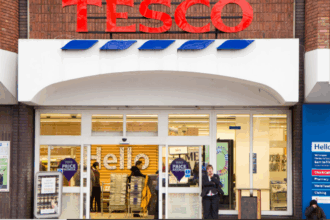
Supermarket bosses say any further tax increases could prolong high prices into 2026, particularly as the sector continues to face global supply disruptions, poor harvests, and higher wage costs. Tesco chief executive Ken Murphy recently said “enough is enough” on business taxation, revealing that the company’s higher National Insurance contributions alone added £235 million to its costs this year.
Despite these challenges, some chains remain profitable — Tesco expects full-year profits of up to £3.1 billion, while Lidl reported that its pre-tax profits more than tripled to £156.8 million in the year to February.
A Treasury spokesperson said tackling inflation “remains a priority” and pointed to measures cutting business rates for smaller retailers. “Even if a property’s valuation rises,” they said, “its bill may still fall if the tax rate is lowered.”
The Autumn Budget, due on 26 November, is expected to test Reeves’s ability to balance fiscal discipline with promises to support working households and control living costs.