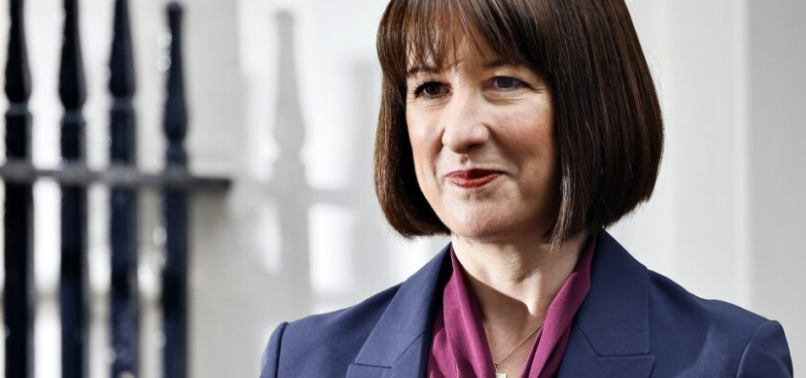
Chancellor Rachel Reeves has declined to rule out a rise in income tax in next month’s Budget, fuelling speculation that Labour could break a key election pledge as it struggles to close a widening gap in the nation’s finances.
Speaking during a visit to Leeds on Friday, Reeves said she would “continue to support working people by keeping their taxes as low as possible” but notably avoided repeating her earlier promise not to raise income tax, National Insurance, or VAT. Her cautious remarks mark a departure from her firm stance in September, when she said Labour’s “manifesto commitments stand.”
Labour’s 2024 manifesto pledged not to increase the basic, higher, or additional rates of income tax. However, reports from The Guardian suggest Treasury officials are in “active discussions” over a possible 1p rise in the basic rate — a move that could generate more than £8 billion annually — or raising higher-rate thresholds for top earners.
Reeves faces one of the tightest fiscal squeezes in recent memory. The Office for Budget Responsibility (OBR) recently downgraded productivity forecasts, creating a £22 billion shortfall and erasing much of the £10 billion buffer she announced in March. Official data from the Office for National Statistics shows government borrowing reached £20.2 billion in September — the highest figure for that month in five years — leaving little room for manoeuvre without new revenue sources.
While acknowledging that “the cost of living is still people’s number-one concern,” Reeves stressed her determination to balance economic responsibility with public support. “Inflation has come in better than expected,” she said, “but significant challenges remain.”
Labour’s fiscal rules require government debt to fall as a share of GDP by 2029–30 and demand that day-to-day spending be covered by tax receipts rather than borrowing. The Institute for Fiscal Studies (IFS) warned this week that Reeves will “almost certainly” need to raise taxes to stay within those limits, arguing that small-scale wealth and corporate tax measures alone would not be enough.
Reeves has repeatedly emphasised that “those with the broadest shoulders should pay their fair share,” hinting at targeted taxes on wealthier individuals and high-earning partnerships used by professionals. But economists warn such measures would raise only a fraction of what is needed, leaving an income tax rise “firmly on the table.”
If enacted, it would mark the first increase in income tax rates since 2010, when Labour introduced a 50 per cent top rate on earnings above £150,000 — later reduced to 45 per cent by the coalition government.
With the Budget set for 26 November, Reeves faces a defining political test. Raising taxes risks alienating voters who backed Labour on a promise of economic fairness, but refusing to act could undermine her reputation for fiscal discipline.
As one Treasury insider put it: “She knows the politics are tough either way — but if she gets this right, it could buy her the credibility she needs for the long term.”