Alphabet-backed autonomous vehicle company Waymo has announced plans to launch its self-driving ride-hailing service in London in 2026, marking a major step in the UK’s adoption of autonomous transport technologies.
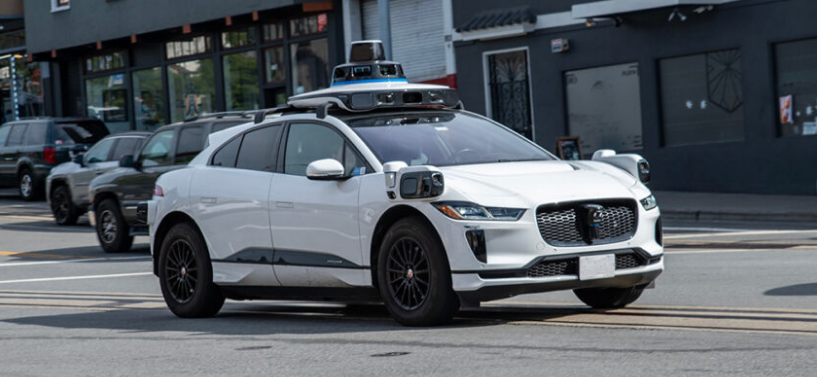
Already operating fully driverless services in several US cities including Phoenix, Los Angeles and San Francisco, Waymo will partner with electric vehicle leasing firm Moove to deploy its service in the British capital. The London fleet will use Jaguar Land Rover’s all-electric I-Pace cars, equipped with the company’s proprietary Waymo Driver system.
The move positions Waymo in direct competition with established ride-hailing players Uber and Lyft, both of which are also preparing to launch autonomous services in the UK next year. Uber has partnered with London-based startup Wayve, while Lyft has joined forces with Chinese technology company Baidu to expand operations across the UK and Germany.
“We’re thrilled to bring the reliability, safety and magic of Waymo to Londoners,” said Tekedra Mawakana, the company’s co-chief executive. “We’ve demonstrated how to responsibly scale fully autonomous ride-hailing, and we’re eager to extend those benefits to the United Kingdom.”
Waymo said it is already in discussions with UK regulators to obtain approval under the government’s proposed piloting scheme for autonomous vehicles. The company, which has engineering teams in both London and Oxford, has maintained long-standing research partnerships within the UK’s automotive and technology sectors.
Transport Secretary Heidi Alexander welcomed the announcement, describing it as a milestone for the country’s innovation and mobility goals. “I’m delighted that Waymo intends to bring their services to London next year,” she said. “Boosting the autonomous vehicle sector will increase accessible transport options while creating jobs, investment and new opportunities.”
Autonomous vehicle projects have faced scrutiny globally following safety concerns during early trials, but UK road safety advocates have cautiously supported Waymo’s expansion. James Gibson, executive director of Road Safety GB, said the data suggests the technology could reduce accidents. “Autonomous vehicles like Waymo have demonstrated significantly safer performance compared to human drivers across more than 100 million miles,” he said.
Analysts believe London’s dense traffic, narrow streets and unpredictable weather will make it one of the toughest urban environments to navigate autonomously. However, they say early pilots could pave the way for large-scale adoption if public trust, pricing models and regulatory frameworks align.
With multiple global players entering the market, 2026 is expected to be a defining year for driverless transport in the UK — and London could soon become one of Europe’s first major cities to host large-scale autonomous ride-hailing services.
Check latest economic updates on our homepage