The UK government has announced the next phase of its rail renationalisation programme, confirming that three major train operators will return to public ownership over the next two years.
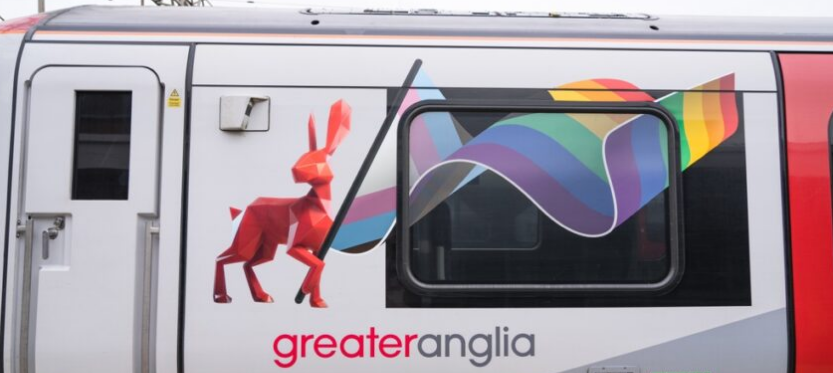
The Department for Transport (DfT) said on Monday that Greater Anglia will be the first to transfer, with services coming under public control on 12 October 2025. West Midlands Trains will follow on 1 February 2026, while Govia Thameslink Railway, the country’s largest commuter network, will be taken back on 31 May 2026.
The move forms part of ministers’ ongoing plan to dismantle the rail franchise system, which has been in place since the 1990s. Under the strategy, passenger services are gradually being renationalised as private management contracts expire. Earlier this year, South Western Railway and c2c were the first to make the switch, marking the start of the programme.
Transport Secretary Heidi Alexander said the transition was aimed at delivering greater stability and accountability for passengers, following years of criticism over service reliability and value for money. “Our goal is to put passengers at the heart of the railway once again, with a system that works for the public, not just private operators,” she said.
The DfT also confirmed that Chiltern Railways and Great Western Railway will eventually be transferred back into public hands, though the exact timing will be decided later. By the end of 2027, all passenger operators contracted by the DfT are expected to be under government control.
Once the process is complete, the services will be consolidated into Great British Railways (GBR), a new public body that will oversee timetables, fares, and day-to-day operations. Legislation to formally establish GBR is due to be introduced in Parliament in the coming months.
Industry analysts say the renationalisation reflects a growing consensus that the existing system is not delivering for passengers. While the pandemic accelerated the government’s involvement in funding and managing rail services, calls for deeper reform had been mounting for years due to repeated delays, cancellations, and rising fares.
Bringing Govia Thameslink back into public hands is likely to be among the most significant steps in the process. The network covers major commuter routes into London, carrying hundreds of thousands of passengers each day, and has faced sharp criticism over disruptions in recent years.
With the full transition to public ownership now on track, ministers hope the reforms will restore public confidence and lay the groundwork for a simpler, more integrated railway system.