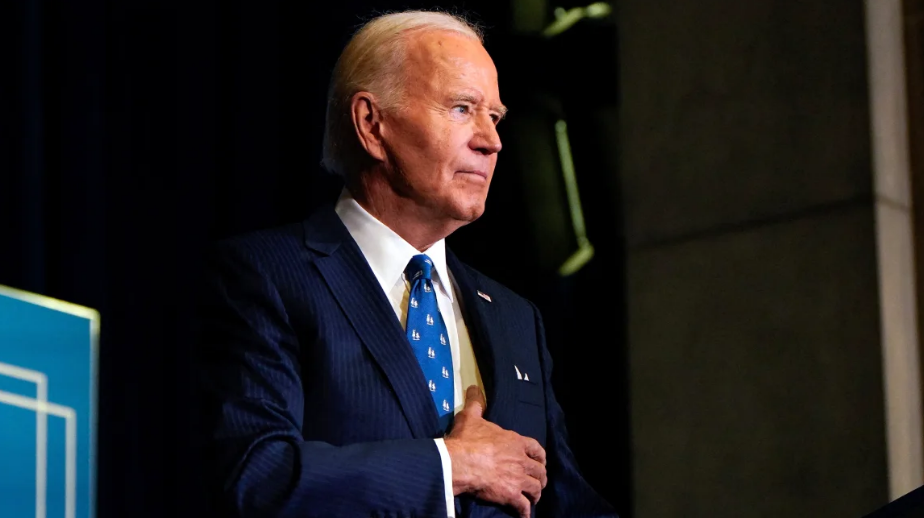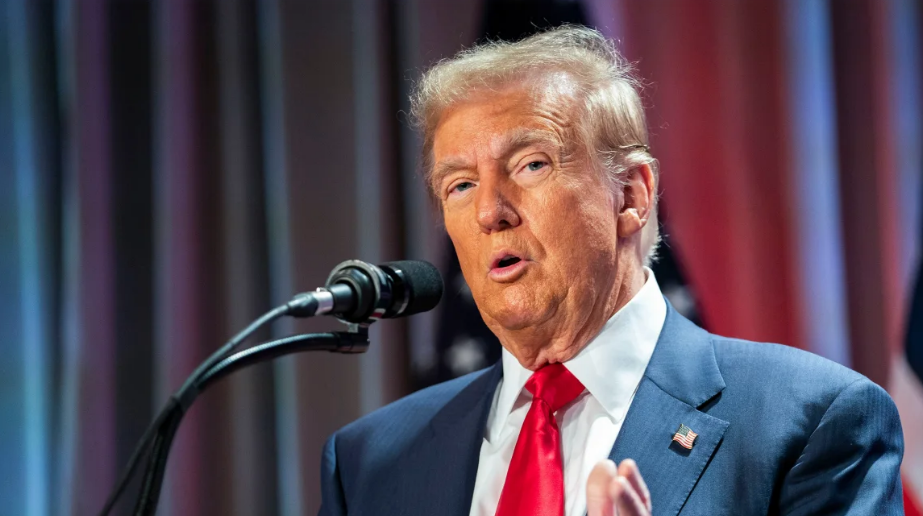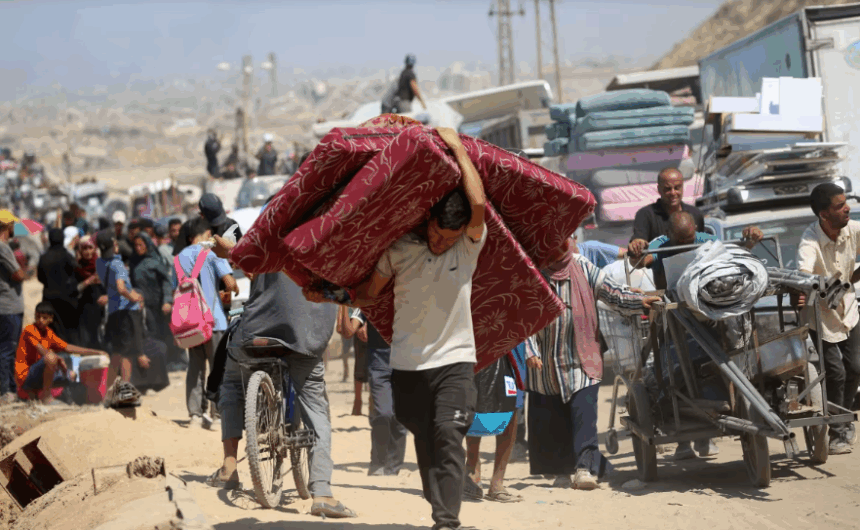
When President Donald Trump takes the stage at the United Nations General Assembly on Tuesday for his first address of his second term, he will do so at odds with much of the world. More than half of UN member states, including key US allies, are pushing for the recognition of a Palestinian state — a move the Trump administration firmly opposes as the war in Gaza nears its two-year mark.
The divide will be stark on Monday, when France and Saudi Arabia host a high-level conference on a two-state solution backed by 142 of the UN’s 193 members. The United States is boycotting the meeting, having been one of just 10 countries to vote against the resolution that authorized it.
French President Emmanuel Macron is expected to announce his country’s recognition of a Palestinian state during the conference, joining a wave of nations taking similar steps. The United Kingdom is preparing to issue its recognition this weekend, while Canada, Australia, and Belgium are expected to follow suit during the UN gathering. The announcements reflect mounting frustration over Israel’s military campaign in Gaza and its government’s resistance to peace talks.
The Trump administration, however, has doubled down on its support for Israeli Prime Minister Benjamin Netanyahu’s government. Standing alongside the British Prime Minister in London last week, Trump described the UK’s recognition plan as “one of our few disagreements,” signaling no shift in Washington’s position.
Explore in-depth analysis of global affairs on Heraldberg.
US officials have argued that unilateral recognition of a Palestinian state undermines negotiations and emboldens Hamas. “We warned them this was counterproductive,” Secretary of State Marco Rubio said Monday during a visit to Israel. “We think it has undermined negotiations and future prospects for peace, and you’re seeing the Israeli reaction as a result.”
Washington has also taken unprecedented steps to sideline the Palestinian Authority (PA) during the UN meetings. In recent weeks, the administration denied visas to PA President Mahmoud Abbas and other Palestinian officials, preventing them from attending in person. Abbas is expected to address Monday’s conference virtually, but the absence of a high-level delegation has already been described by diplomats as a serious setback.
“If you only talk to one side, you’re not going to make peace,” said Jake Walles, a former US ambassador and one-time consul general in Jerusalem. “Abbas is the international face of the Palestinians. Without dialogue with him, the only alternative is Hamas — and that is not a path to peace.”
Monday’s conference is expected to outline a roadmap for regional stability built around a two-state solution. Financial pledges for Gaza reconstruction and support for the PA’s struggling institutions are also anticipated.
While previous US administrations have at least paid lip service to the two-state framework, Trump’s team has signaled no interest in reviving it. Two US officials confirmed the administration is not preparing a counterproposal, underscoring Washington’s growing isolation on one of the most contentious issues before the world body.