Britain’s largest retailers have warned that hundreds of stores could be forced to close and up to 100,000 jobs may be lost if the government presses ahead with plans to raise business rates on large properties.
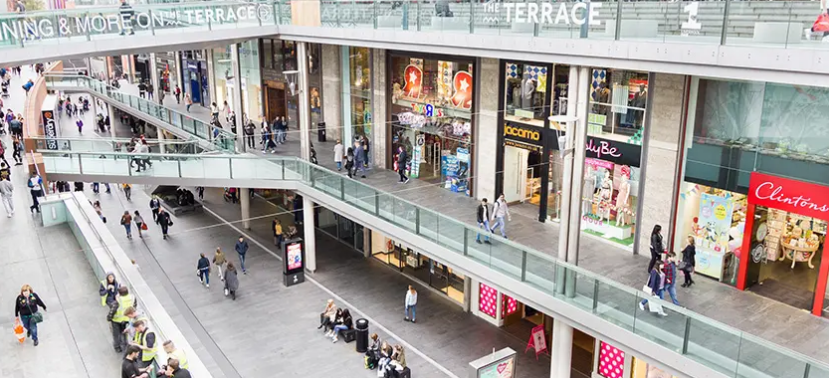
The proposed surcharge, part of Labour’s pledge to overhaul the business rates system, would apply to outlets with a rateable value above £500,000. While the measure is intended to fund discounts for smaller firms, retail leaders say it risks devastating consequences for supermarkets, department stores and other “anchor tenants” that play a central role in drawing footfall to high streets and shopping centres.
According to estimates from the British Retail Consortium (BRC), as many as 400 outlets could shut if the surcharge is introduced. Retailers warn they would be left with little choice but to close stores, reduce staff numbers or pass additional costs onto consumers at a time when household budgets remain under pressure.
Helen Dickinson, chief executive of the BRC, said the impact would reach far beyond the sector itself. “Britain’s largest shops are magnets, pulling people into high streets, shopping centres and retail parks, supporting thousands of surrounding cafes, restaurants and smaller shops,” she said. “After years of rising costs, far too many stores have disappeared—leaving behind empty shells that once thrived at the heart of our communities.”
Retailers have urged Chancellor Rachel Reeves to exempt them from the surcharge, arguing that weakening large anchor tenants would undermine the very ecosystem the government is trying to support. The BRC and other trade bodies warn that without these businesses, surrounding independent shops, pubs and cafes would lose critical foot traffic.
The reforms are part of Labour’s wider efforts to create a “fairer” business rates system and to remove the so-called “cliff edges” that penalise smaller firms when they expand. Reeves said the government’s priority was to ensure “thriving high streets and small businesses investing in their future, not held back by outdated rules or strangled by red tape.”
The plans have been welcomed by groups representing hospitality businesses, who argue that easing the burden on smaller operators is long overdue. UKHospitality praised the move, saying it would allow pubs, restaurants and cafes to reinvest and grow.
However, retailers caution that the redistribution of costs risks doing more harm than good. With the sector already grappling with inflationary pressures, rising wages and shifting consumer habits, industry leaders warn that an additional tax burden could accelerate store closures and hollow out high streets further.
As consultations on the proposals continue, the debate highlights the delicate balance the government faces in trying to support smaller firms while avoiding further damage to Britain’s struggling retail sector.