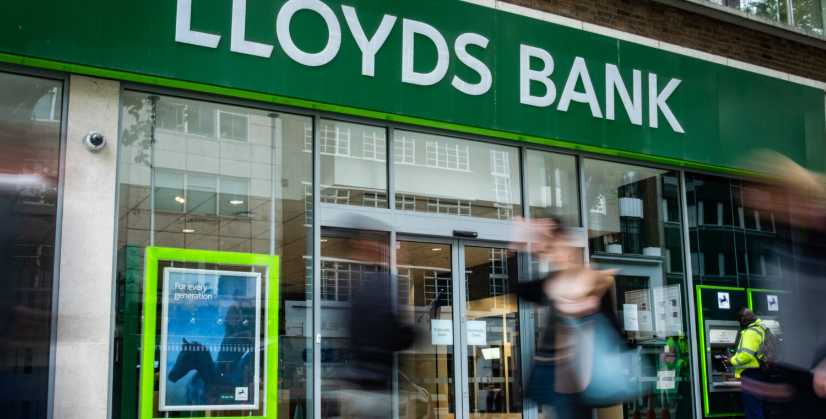
Lloyds Banking Group is preparing to cut as many as 3,000 jobs as part of a sweeping overhaul designed to reduce costs, boost efficiency and sharpen its competitive edge.
The restructuring, first reported by the Financial Times, will put roughly 5% of Lloyds’ 63,000 employees at risk of redundancy. The cuts form a central part of chief executive Charlie Nunn’s long-term strategy to streamline operations, strengthen profitability and invest in new areas of growth.
Managers across the bank have been instructed to begin ranking staff performance, with those deemed underperformers placed on “structured support” programmes. While the bank has described these measures as designed to help staff improve, they could ultimately lead to job losses.
Analysts say the decision reflects Lloyds’ unusually low staff turnover, which is about 5%, compared with an industry average of closer to 15%. “With such low churn, Lloyds has had to take a harder line,” said Matt Britzman, senior equity analyst at Hargreaves Lansdown. He noted that the bank is already shifting parts of its operations abroad, with plans to hire 4,000 workers at its India technology hub by year’s end.
Britzman argued that if Lloyds can replicate the efficiency improvements seen at rivals such as NatWest and Barclays through branch closures and offshoring, the group could deliver a meaningful boost to profitability.
In a statement, Lloyds said the changes are part of a broader transformation to build a more agile organisation. “To achieve the ambitious strategy and deliver brilliant service, we are transforming our business,” a spokesperson said. “As we build highly skilled teams to move faster and deliver great outcomes, we are striving to embed a high-performance culture across the organisation. Change can be uncomfortable, but we remain excited about the opportunities ahead.”
The announcement comes as Britain’s biggest banks step up cost-cutting measures amid challenging conditions for the sector. HSBC has outlined plans to deliver $1.5 billion in savings by 2026, while both NatWest and Barclays have accelerated branch reductions and expanded offshore operations to improve efficiency.
For Lloyds, the UK’s largest retail bank, the cuts mark a pivotal step in its effort to modernise and reassure investors of its ability to generate stronger returns. The bank, which has long relied on its domestic mortgage and retail business, is under mounting pressure to adapt to technological change, rising costs and tougher competition.
Analysts believe the shake-up highlights both the scale of the challenges facing traditional lenders and the lengths to which they are willing to go to maintain profitability. For staff, however, the immediate concern will be whether performance reviews leave them vulnerable to redundancy in the months ahead.