Sir Keir Starmer is facing mounting criticism from farmers and opposition parties after new figures suggested Labour has failed to deliver on its election promise to prioritise locally grown food in public-sector catering.
Before the general election, Labour pledged that half of all food purchased by public bodies would be “locally produced or certified to higher environmental standards.” With around £5 billion spent annually on food by government departments, the commitment was hailed as a potential lifeline for British agriculture.
But data compiled by the Countryside Alliance shows that only two departments currently source the majority of their food domestically: the Foreign, Commonwealth and Development Office (80%) and the Department of Health and Social Care (72%). Other ministries either lacked clear figures or admitted they had no policies in place to prioritise British produce.
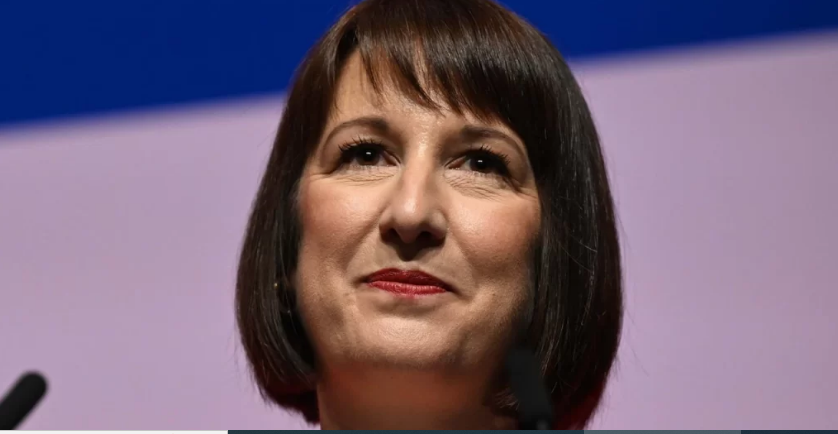
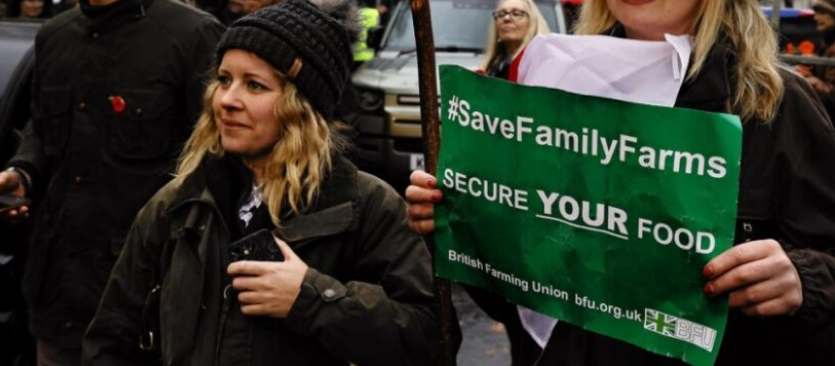
The revelations have deepened frustration within the farming community, already angered by Chancellor Rachel Reeves’s inheritance tax reforms last year, which reduced reliefs for family farms. That policy led to more than 3,000 farm closures and sparked tractor-led protests in Westminster. Farmers now see Labour’s unfulfilled food pledge as a further betrayal.
Richard Tice, deputy leader of Reform UK, accused the government of “trying to wipe the sector out entirely.” Conservative shadow environment secretary Victoria Atkins also condemned Labour, saying it was “quietly shelving every promise it made to rural Britain” at a time when farmers are facing soaring costs and one of the worst harvests in decades.
On the ground, farmers expressed alarm at the government’s failure to back British produce. Gareth Wyn Jones, a sheep farmer in Conwy, branded the situation “a total disaster” and warned the country was “sleepwalking into food shortages.”
The National Farmers’ Union joined the criticism, with deputy president David Exwood describing the lack of progress as “disappointing.” He said public procurement should be used to bolster domestic agriculture, stressing that British farmers produce food to some of the highest standards in the world.
Despite Labour’s manifesto declaring that “food security is national security,” departments including the Department for Environment, Food and Rural Affairs admitted that existing “buying standards” do not require domestically sourced food.
The government has defended its record, pointing to new procurement rules designed to open up opportunities for farmers to bid for catering contracts. A spokesman said: “Our commitment to farmers and food producers remains steadfast. We want our farmers to be well placed to bid for a fair share of the £5bn spent on public-sector catering contracts each year.”
Even so, rural disillusionment with Labour is growing. Polling suggests the number of countryside voters who believe the party “does not understand rural Britain” has doubled since the election. Reform UK is seeking to capitalise by pledging a £3 billion farming budget and scrapping climate-linked subsidies.
Adding to the pressure, analysts warn that climate change is worsening the challenges. The Agriculture and Horticulture Development Board has predicted one of the poorest harvests in decades following a drought-stricken summer. Experts argue farmers urgently need support to adapt to harsher weather conditions and safeguard food security.
For now, campaigners say promises are not enough. David Bean, author of the Countryside Alliance report, said farmers “deserve more than warm words” and need “meaningful, measurable action.”