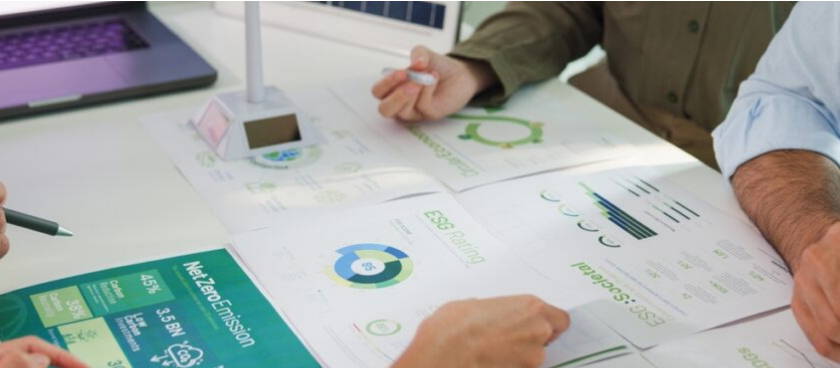
Britain’s small and medium-sized enterprises (SMEs) are falling behind on climate commitments, with only one in eight considered “net zero ready” despite tougher sustainability reporting rules set to take effect in less than two years.
According to Aldermore’s latest Green SME Index, progress on decarbonisation has largely stalled among smaller businesses. From 2026, some firms will need to comply with the new UK Sustainability Reporting Standards, expected to align closely with international climate disclosure frameworks. Yet just 13 per cent of SMEs have adopted the formal measurements and commitments required to cut emissions to net zero by 2050 – a figure unchanged from Aldermore’s 2024 survey.
The findings point to a widening “net zero divide” between companies making headway and those that have yet to take meaningful action. While a quarter of SME leaders (24 per cent) say they are still assessing their environmental goals, more than three-quarters remain in the early stages of planning or have taken no steps at all.
One of the biggest barriers is a lack of awareness. Two-thirds of SMEs surveyed said they had never heard of Scope 1, 2 or 3 emissions – internationally recognised categories that form the backbone of greenhouse gas reporting. For many firms, sustainability obligations are seen as burdensome: 82 per cent said environmental demands felt more like a barrier than an opportunity.
Despite these concerns, Aldermore’s research highlights the potential economic benefits of going green. SMEs estimated they could generate an additional £52,000 a year by strengthening their sustainability credentials, though most had only modestly invested in greener practices – around £5,500 on exploration and £24,000 on implementation.
Lauren Pamma, head of energy and infrastructure at Aldermore, said ambition existed among smaller firms but was being undermined by limited resources and expertise.
“Our research shows genuine ambition among SMEs to decarbonise, but a lack of knowledge, resource and access to capital is holding many back,” she said. “With reporting deadlines approaching, now is the time for government, industry and finance partners to step up their support. By closing the skills gap and providing targeted funding, we can help SMEs unlock the substantial growth, energy security and cost savings that sustainability delivers.”
Aldermore pointed to its own contribution, including a £25 million funding package for Osprey Charging Network, one of the UK’s fastest-growing electric vehicle charging operators.
But with Britain’s 5.5 million SMEs accounting for 99 per cent of all businesses, industry leaders warn that without stronger government and financial support, the UK risks missing its national climate goals. For smaller firms, the danger is not only falling foul of future regulations but also losing out on efficiency gains and growth opportunities.