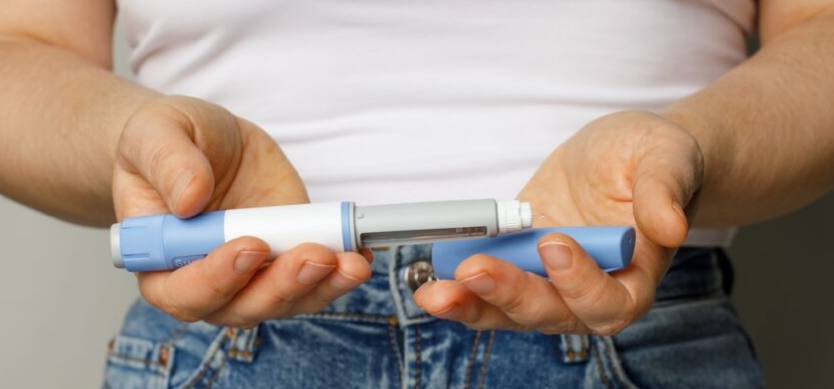
Expanding access to new-generation weight-loss injections on the NHS could deliver major economic benefits by cutting sick leave and easing pressure on healthcare services, according to new research.
A study of 421 NHS patients who began treatment with obesity drugs found the number of sick days taken fell by a third within three months. Data collected by Oviva, the UK’s largest provider of weight-loss support services, showed combined sick leave dropped from 517 days in the three months before treatment to 334 days afterwards. By six months, 77 per cent of patients reported taking no sick leave at all, compared with 63 per cent before starting the medication.
The findings come as policymakers weigh the wider benefits of expanding access to drugs such as Mounjaro, developed by Eli Lilly. Government figures show UK workers took 149 million sick days in 2024, still nearly 10 million higher than before the pandemic. Ministers have increasingly linked obesity to lost productivity, with Health Secretary Wes Streeting calling it a “key drag on the workforce.”
“People living with obesity take an extra four sick days a year on average, and too many are leaving the workforce altogether,” Mr Streeting said earlier this year, backing the medicines as part of efforts to reduce economic inactivity.
Official modelling suggests a large-scale rollout could save taxpayers £5bn annually through productivity gains and reduced NHS costs. Obesity is estimated to cost the UK economy £98bn each year, including £15bn in lost productivity and £19bn in direct NHS spending.
Despite this, access to the new treatments remains limited. At the end of June, 32,000 patients were waiting for an NHS weight management appointment, and only around 1 per cent of those eligible currently receive treatment, Oviva said. Over the next three years, about 250,000 people in England are expected to be prescribed Mounjaro, but demand is already outpacing supply.
Martin Fidock, UK chief of Oviva, urged the government to act faster: “The Chancellor talks about firing up Britain’s productivity but doesn’t address the millions who are locked out of work by poor health. People with obesity are twice as likely to be off sick, yet postcode inequalities mean only a fraction of patients get access to treatment.”
The average patient in Oviva’s study was 49 years old, an age when obesity typically peaks and related conditions such as hypertension, anxiety and depression are common. Alongside reduced sick leave, patients reported lifestyle improvements, such as eating more vegetables and drinking more water.
Broader research has also linked the latest weight-loss drugs to halved risks of cardiovascular death and lower cancer incidence. The Tony Blair Institute has even suggested offering jabs to half of all UK adults. However, prescribing them to the 26 million Britons with a BMI above 27 would cost about £38bn a year — around 17 per cent of the NHS budget.
The central challenge for policymakers is whether the long-term economic gains outweigh the steep upfront costs of scaling up access to treatment.