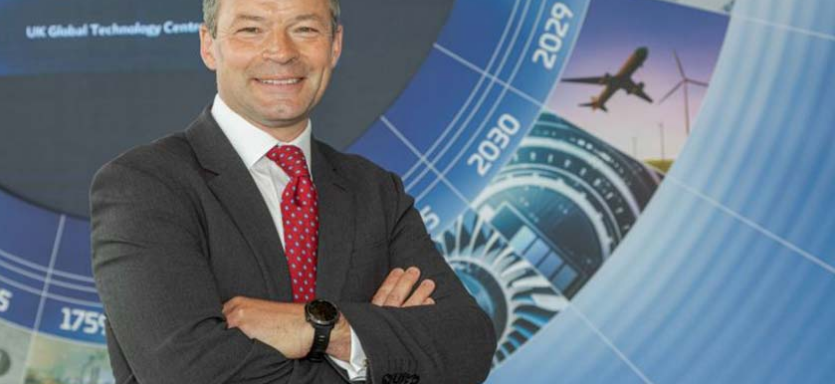
Former army helicopter pilot Peter Dilnot has become the highest-paid executive in the FTSE 100, earning £45 million in 2024, according to Business Matters’ annual Fat Cat Files survey. The Melrose Industries chief executive overtook AstraZeneca’s Pascal Soriot, ending the pharmaceutical boss’s multi-year run at the top of the pay rankings.
Dilnot, 55, secured the position after receiving one of the largest boardroom payouts in UK corporate history. He and three other senior Melrose executives shared a combined £208 million under a long-term incentive scheme agreed in 2019. The performance-linked plan, triggered when the aerospace engineering group met ambitious targets, delivered Dilnot a one-off £43 million bonus on top of his salary and benefits.
The payout has also given Melrose the largest chief executive-to-worker pay gap in the FTSE 100. Both Dilnot and his predecessor Simon Peckham — who stepped down in March with a £58 million exit package — earned 1,112 times the £53,000 received by the average Melrose employee. The other two executives under the scheme, Christopher Miller and Geoffrey Martin, collected £50 million and £57 million respectively.
Melrose, which owns the GKN aerospace business, has more than doubled its market value to £7.5 billion since the bonus plan was introduced. This growth was fuelled by its 2018 acquisition of GKN and the spin-off of its automotive division into Dowlais.
The earnings leap has pushed Pascal Soriot into third place in the FTSE pay league. His remuneration fell from £16.9 million to £14.7 million last year as AstraZeneca’s post-pandemic share rally slowed. Pearson chief Omar Abbosh claimed second place with £16.3 million, bolstered by a contract buyout from his previous role at Microsoft.
Not all chief executives enjoyed gains. Rolls-Royce head Tufan Erginbilgic saw his total pay drop to £4.1 million from £13.6 million after a large signing bonus in 2023 was not repeated. GlaxoSmithKline’s Emma Walmsley remained the highest-paid female FTSE 100 boss, earning £10.6 million, though her 2025 package could rise to £22 million under a new US-style pay plan.
Melrose’s bonus scheme sparked one of the most significant shareholder revolts in recent years, drawing comparisons to the £75 million payout to Persimmon’s Jeff Fairburn in 2018. While the protest was non-binding, it reignited debate over executive pay in London-listed companies.
Some City figures argue that UK pay levels remain too low to compete with the United States, where corporate packages are often substantially larger. AstraZeneca, valued at £175 billion, is among several British blue chips considering a move to New York in part to access more competitive remuneration structures.