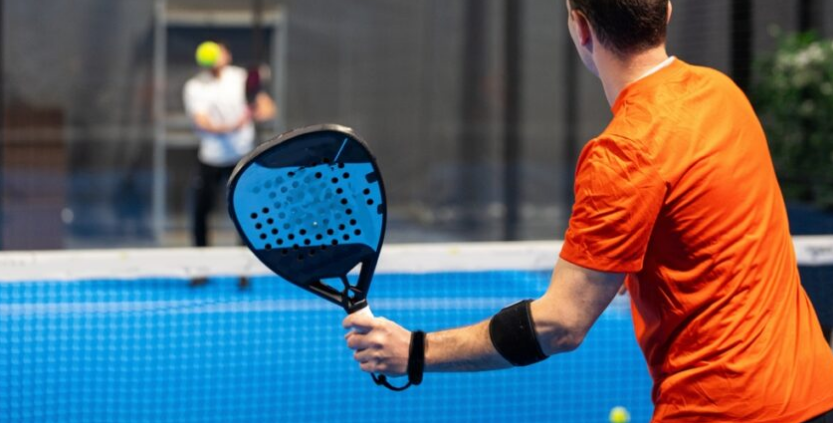
The rapid rise of padel in the UK is triggering a surge in development activity, with planning applications for new courts more than doubling in 2024 alone, according to new data from land and planning platform Searchland.
Figures reveal a 113% rise in padel-related planning applications over the past year, underscoring the sport’s explosive growth. Often described as a blend of tennis and squash, padel is now one of the fastest-growing sports in Britain, with participation soaring from just 89,000 players in 2021 to over 400,000 by the end of 2024, according to the Lawn Tennis Association.
Searchland reports that padel-related planning activity has accelerated sharply in recent years — from 53 applications in 2021 to 348 in 2024. So far this year, 295 applications have already been filed, with the number projected to reach 544 by the end of 2025.
The sport’s rapid uptake is being matched by developer interest, driven by low construction costs, compact court sizes, and high return-on-investment potential. In response, Searchland has identified nearly 17,000 locations across the UK suitable for padel development, including existing sports venues, underutilised commercial properties, and even short-term opportunities on larger development sites.
According to the data, there are currently 16,851 sports venues nationwide — such as golf courses, football grounds, and racquet clubs — with land suitable for padel court construction. London alone accounts for 1,086 of these sites, with 47 already in the planning pipeline. Other key cities include Bristol (206), Edinburgh, Leeds, and Manchester.
The platform also highlights 15,742 commercial properties that could be converted for padel use, especially in urban areas with strong leisure demand. London leads this category as well, with 929 potential conversion sites, followed by Manchester, Leeds, Birmingham, Bradford, and Sheffield.
In addition to permanent venues, Searchland has pinpointed 674 short-term investment opportunities — large housing developments or regeneration areas with timelines that allow for temporary padel court installations. These flexible facilities can serve the community and generate revenue while construction continues. London again leads the list with 151 of these sites, followed by Bristol and Birmingham.
Commenting on the findings, Searchland co-founder Hugh Gibbs said padel’s rapid ascent reflects more than just a sporting trend.
“Padel’s extraordinary rise in popularity isn’t just a trend — it’s a powerful signal to landowners, developers, and local authorities,” he said. “The combination of surging participation, relatively low setup costs, and strong ROI potential makes padel an ideal addition to both temporary and permanent development plans.”
With nearly 17,000 suitable locations identified, developers are viewing padel as one of the UK’s most promising leisure investments — offering a dynamic solution to growing public demand for accessible, community-driven recreational spaces.