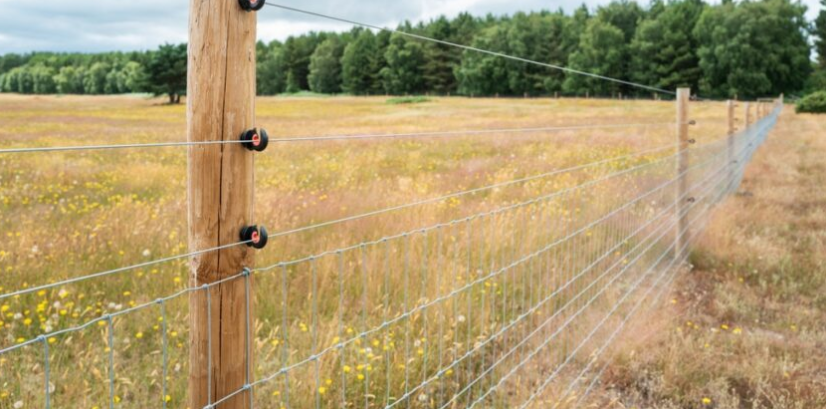
UK farmland is rapidly gaining favour once again among high-net-worth individuals (HNWIs) and business owners, not just for its heritage value but as a strategic financial asset. Against a backdrop of rising inflation, political change, and tax uncertainty, land is being seen as a safe haven — but that status may soon be under threat.
Chancellor Rachel Reeves’ recent proposal to overhaul Agricultural Property Relief (APR) has sparked alarm among investors and rural landowners. The long-standing inheritance tax relief, alongside Business Property Relief (BPR), has historically made farmland one of the most tax-efficient assets in the country. Now, sweeping changes could restrict these benefits to only “working farmers”, potentially excluding passive investors and diversified rural enterprises.
According to a Freedom of Information request analysed by Parliament Street, farmland values have risen by 7.3% in 2024, buoyed by investor appetite and the growth of carbon credit and biodiversity offset markets. But as Reeves looks to close tax loopholes and raise £1.2 billion by 2030, many see the reform proposals as a direct threat to rural investment.
“These changes would fundamentally reshape how estates are passed down through generations,” said Henry Pemberton, a land advisor at Savills. “What was once a quiet preserve of legacy wealth is now under urgent review.”
Farmland currently benefits from full relief from inheritance tax when qualifying for APR and BPR — often achieved through active farming or generating income via trading ventures such as holiday lets or renewable energy. Investors like tech entrepreneur Sarah Allardyce have structured their holdings to take full advantage of these tax protections, combining agriculture, consultancy, and environmental initiatives under one estate.
But the Chancellor’s proposals suggest reassessing relief on non-agricultural activity, curbing use of corporate and offshore structures, and removing eligibility from those not actively engaged in farming. The National Farmers’ Union and several rural MPs have pushed back, warning the changes could discourage sustainable land use and destabilise family-run farms.
TV presenter and farmer Jeremy Clarkson has emerged as a high-profile critic. In a recent episode of Clarkson’s Farm, he questioned whether his hands-on approach would still qualify for relief. “I risk everything on the weather,” he said, “and then the Chancellor says it’s not ‘active’ enough? Madness.”
The uncertainty is already prompting families like the Hunter-Bennetts — who invested £6.5 million in a Suffolk estate — to reconsider their financial structures. “We may need to unwind some elements of the trust if the new rules come in,” said trustee Mark Bennett.
With legislative changes looming, advisors report a rush in farmland acquisitions via trusts and LLPs, hoping to lock in current reliefs. Savills notes a 30% surge in these structures in Q2 2025.
While farmland remains a symbol of British prestige and stability, its future as a reliable tax shelter is no longer guaranteed. For investors, the message is clear: land still offers opportunity, but the rules of the game are changing — and fast.
Catch all the top UK headlines and expert insights at Heraldberg.