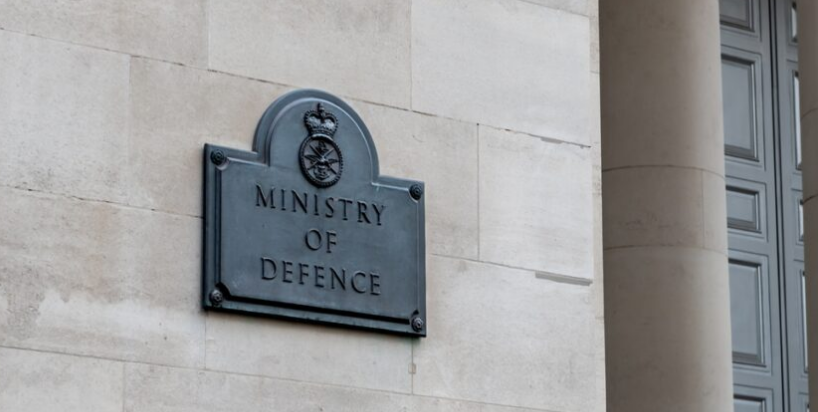
The UK Ministry of Defence (MoD) has flagged and rejected more than £211 billion worth of suspicious invoices over the past three years, underscoring growing concerns about financial fraud and mismanagement within one of the government’s most complex departments.
Figures obtained through a Freedom of Information (FOI) request and analysed by the Parliament Street think tank reveal that the MoD rejected 8,918 invoices between 2021 and 2024. The rejections stemmed from a range of red flags, including invalid pricing, duplicate entries, missing supplier information, tax anomalies, and outdated purchase orders.
While 5,063 of those invoices were eventually corrected and resubmitted, 3,855 were permanently rejected — a figure highlighting both the scale of attempted or accidental misbilling and the pressure on existing oversight systems.
The revelations come amid a series of high-profile fraud cases involving MoD personnel. In April, former army corporal Aaron Stelmach-Purdie was jailed after manipulating staff expenses to defraud the ministry of more than £911,000, of which he pocketed over half a million pounds. Just weeks later, army financial administrator Andrew Oakes was convicted of stealing over £300,000, which he spent on luxury vehicles including three Teslas and a Mini Cooper.
These cases have triggered calls for tighter financial controls and improved invoice verification processes across the MoD, with experts urging greater adoption of AI-driven technology to detect fraud before it occurs.
Jason Kurtz, CEO of financial software firm Basware, said that while flagging suspicious invoices is crucial, it is only the beginning. “The real challenge is the investigative burden these cases place on already stretched finance teams,” he said, advocating for automated vetting systems to ease the load.
Dr Janet Bastiman, chief data scientist at Napier AI, echoed the need for stronger digital defences, warning that invoice fraud remains a popular tactic among organised crime groups targeting high-volume public departments.
“With thousands of transactions processed daily, departments like the MoD are obvious targets. AI-powered anomaly detection can provide early warning signs before funds are lost,” she said.
Defence officials now face mounting pressure to overhaul financial controls amid heightened political scrutiny over public spending. With global tensions rising and the UK increasing its defence commitments, analysts warn that strengthening the ministry’s fiscal safeguards is as critical as investing in military readiness.
As public confidence in defence expenditure remains fragile, the MoD’s ability to clamp down on fraud and modernise its financial oversight could prove vital in securing both its budget and its credibility.
Explore in-depth analysis of UK and global politics on Heraldberg.