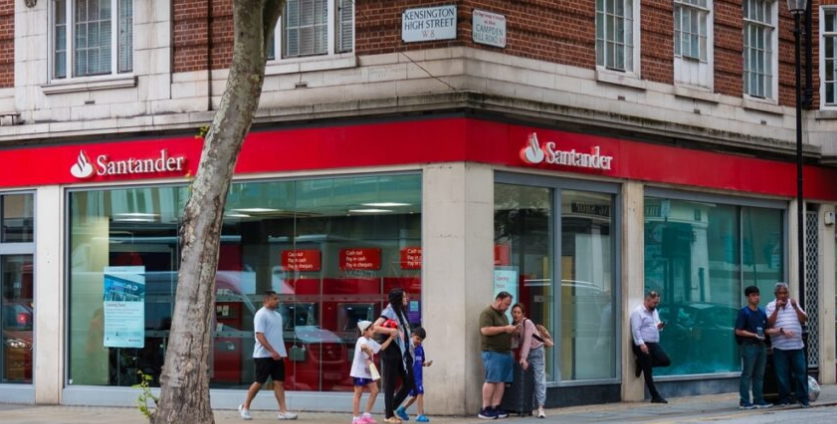
Santander UK is under growing pressure from small business owners after introducing fees to business accounts that were previously marketed as “free for life.” The move has sparked allegations of broken promises, misleading conduct, and has raised the prospect of regulatory scrutiny.
An open letter addressed to Santander’s senior leadership — including Chief Executive Mike Regnier and Retail and Business Banking CEO Enrique Álvarez Labiano — outlines the growing anger among SMEs who say they were misled into opening accounts with the expectation of permanent fee waivers.
Steve Richardson, Managing Director of Full Production Ltd, who opened his business account with Santander in 2010, accused the bank of going back on a “binding commitment.” He said the bank’s decision to impose charges now, over a decade later, under the justification of an internal product migration, was “ethically questionable.”
Marketing materials from 2010 promoted “Free Business Banking, For Life,” with the condition that charges would only be introduced if laws or regulations changed. In 2012, when Santander initially attempted to apply charges, public and media pressure forced the bank to honour the original offer — a move then praised by consumer advocates.
However, Santander has now gone ahead with changes, claiming that accounts were shifted to its “Business Every Day” product in 2015, making the original terms obsolete. Many customers argue they were never told the migration would void the free-for-life guarantee and say they feel misled.
The latest fee changes include an annual £120 charge, with no comparable fee-free alternatives on offer. Critics warn the move comes at a time of heightened financial strain for SMEs, already grappling with rising costs and economic uncertainty.
“There are thousands of businesses like mine who made long-term decisions based on this promise,” Richardson said. “This isn’t just about money — it’s about trust.”
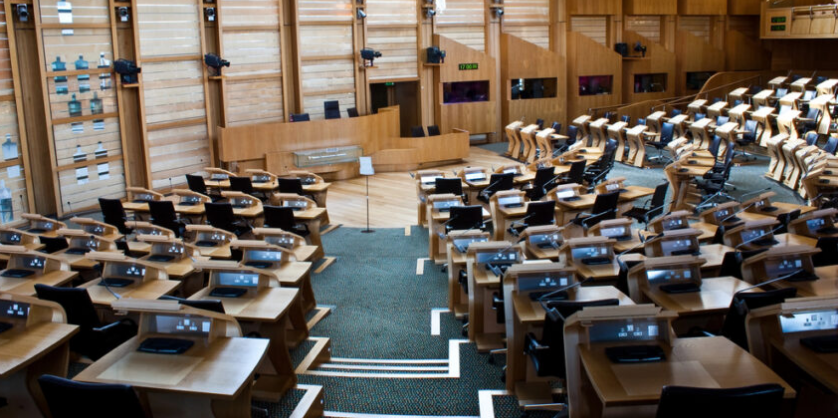
The open letter warns that if Santander fails to reverse course, formal complaints will be filed with regulators, and the matter could be taken to parliament. Media outlets including The Guardian, The Telegraph, and the BBC have begun investigating the issue.
Legal experts have suggested that if the “free-for-life” commitment is found to be a contractual guarantee, Santander could face enforcement action by financial regulators. The Financial Ombudsman Service may also be asked to review individual complaints.
Santander has not issued a detailed public response, but a spokesperson has maintained the bank is acting within its account terms. Meanwhile, affected customers are mobilising, contacting MPs and industry watchdogs.
“This is not simply about fees,” the letter concludes. “It’s about trust and accountability. A promise made should be a promise kept.”