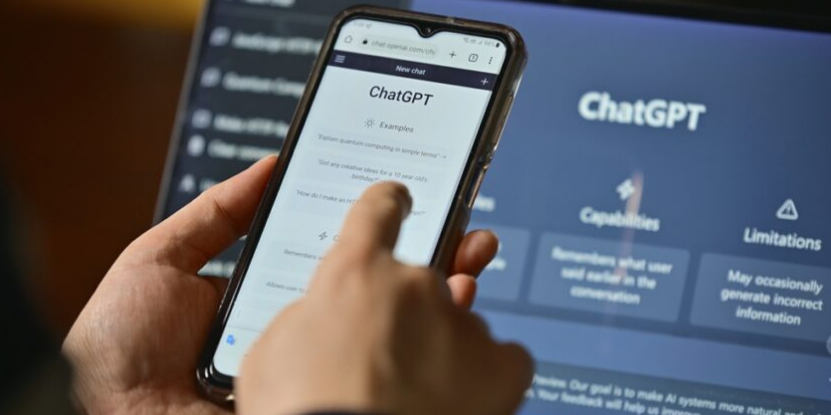
OpenAI has launched a new AI assistant feature for ChatGPT that can perform a wide range of real-world tasks—including browsing the internet, booking restaurants, managing schedules, and even handling spreadsheets—marking a significant step forward in artificial intelligence development.
The new feature, dubbed a “ChatGPT agent,” is now available to users subscribed to OpenAI’s “Pro,” “Plus,” and “Teams” plans. However, it is not yet being released in the European Union, where regulatory concerns remain a key consideration.
Unlike previous versions of ChatGPT, which focused on analysis and information retrieval, the new agent can actively interact with digital tools such as calendars, browsers, files, and software applications. OpenAI described the upgrade as an evolution from thinking to acting. “The model not only thinks but also acts,” the company said in a blog post announcing the rollout.
The move positions OpenAI alongside competitors such as Google and Anthropic, which are also racing to develop autonomous “agent” systems—AI-powered assistants capable of completing complex, multi-step tasks with minimal human input.
In a demonstration, the assistant efficiently scanned a user’s calendar, found suitable dining times, searched for restaurants rated 4.3 stars or higher across various cuisines, and returned suggestions—all within minutes.
To address concerns about security and user control, OpenAI has built guardrails into the system. The assistant must obtain user permission before taking significant actions such as making purchases or deleting files. Users can interrupt or redirect the assistant at any point.
“You’re always in control,” the company said, adding that the model is trained to reject dangerous or unethical instructions, including tasks related to cybercrime, biohazards, or financial fraud.
Despite its convenience, the new assistant has raised questions about commercial influence and algorithmic transparency. OpenAI confirmed that the assistant currently does not display ads, include sponsored results, or make commission-based product recommendations. However, CEO Sam Altman has previously suggested that transaction-based services could be monetised in the future.
Analysts have cautioned that future iterations could open the door to commercial bias. “Would brands be able to pay for visibility in results?” asked Niamh Burns, a senior media analyst at Enders Analysis.
As AI assistants transition from passive tools to active agents, their growing autonomy is likely to draw increased regulatory scrutiny. While OpenAI insists that users remain in control, the rapid advancement of such technology raises broader questions about transparency, safety, and the long-term implications of AI decision-making.
For now, the ChatGPT agent is being marketed as a premium tool for professionals and teams. But as it evolves, its role—and its impact—may extend far beyond productivity.