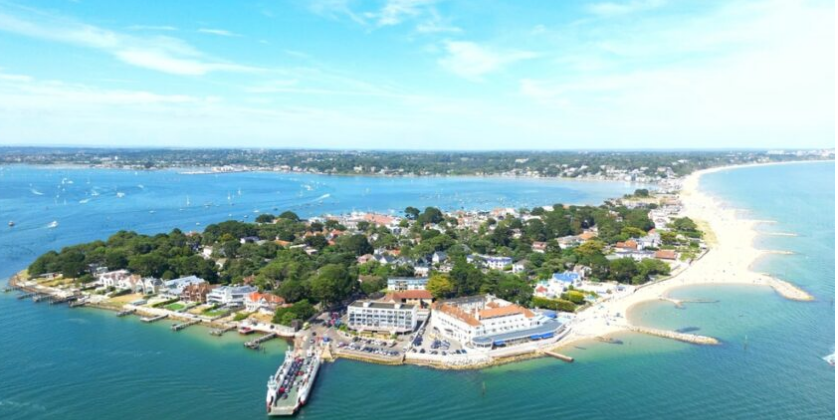
Once hailed as Britain’s answer to Monaco, the ultra-exclusive coastal enclave of Sandbanks is now facing a dramatic decline in buyer interest, as high-end property owners and investors react to a wave of punitive tax changes implemented by both the previous Conservative and the current Labour governments.
The Dorset peninsula, known for its multimillion-pound waterfront homes and its status among the world’s priciest real estate destinations, is seeing properties stagnate on the market and developers pulling back, amid a deepening crisis of confidence.
Since April, when local authorities were granted powers to double council tax on second homes under the 2023 Levelling Up and Regeneration Act, demand in the area has fallen sharply. The Liberal Democrat-controlled Bournemouth, Christchurch and Poole Council is among more than 200 local authorities to enforce the tax hike, a policy originally introduced by the Conservatives and now backed by Prime Minister Keir Starmer’s Labour government.
“There’s a lot of property on the market and not enough buyers,” said Lola May Massingham, CEO of Prime Coastal Property. “Labour’s double rates are really not helping. Buyers are nervous, and many are turning to tax-friendlier alternatives like Dubai and Portugal.”
According to Lloyds, house prices in Sandbanks have fallen by 3% compared with two years ago, reversing a trend that saw values surge during the pandemic-driven demand for second homes. Stamp Duty on high-end second properties now sits at 17%, with an additional 2% for non-resident buyers — a further deterrent for foreign investors.
Developer Richard Carr, who sold a record-breaking £16 million plot last year, has since shuttered his company Fortitudo. “You just can’t sell anything without heavily discounting,” he said. “There’s no confidence, no light at the end of the tunnel.”
Indeed, steep discounts have become more common. One beachfront four-bedroom home recently saw its asking price slashed by £100,000, now listed at £1.75 million.
Property expert Jonathan Rolande said the end of the pandemic-era boom has reshaped buyer behaviour. “During Covid, we couldn’t imagine travelling. But now, why risk the British weather and high taxes when you can get more space, more sun, and better value abroad?”
While some second-home owners are exploring furnished holiday lets — which remain exempt from the new council tax rules if rented for 20 weeks a year — many view this as a gamble amid uncertain booking trends.
A spokesperson for the Ministry of Housing defended the policy, saying it aims to combat housing pressures in tourist hotspots: “Having too many second homes in an area can drive up prices for locals. Councils can now act to protect their communities.”
Despite the current downturn, some agents remain hopeful for a market rebound. “Although it’s slow now, I’m optimistic it will recover,” said Massingham.
Others, however, warn of deeper market corrections ahead. “This should be peak season,” said Rolande. “But if it’s not selling in July, it’s going to be a tough winter unless interest rates come down.”