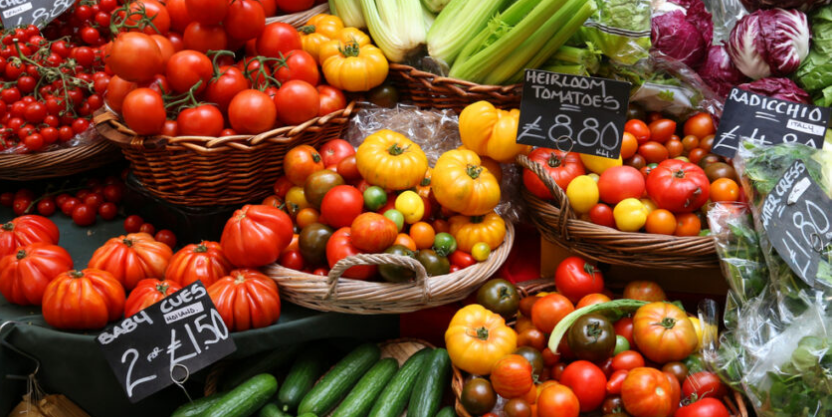
Food prices in the UK rose sharply in June, driven by soaring temperatures and extreme weather events that disrupted fruit and vegetable harvests, according to the latest data from the British Retail Consortium (BRC). The figures show food price inflation accelerated to 3.7% in June, up from 2.8% in May, marking the first overall increase in shop price inflation in nearly a year.
Retailers say the spike is directly linked to poor crop yields caused by hot, dry weather, highlighting the growing influence of climate change on consumer prices. Helen Dickinson, Chief Executive of the BRC, warned that the rise in food prices is part of a broader trend. “We predicted a significant rise in food inflation by the end of this year, and this has been accelerated by geopolitical tensions and the impacts of climate change,” she said.
Dickinson also pointed to government fiscal policies, including employer national insurance hikes and a rise in the national living wage, as factors contributing to rising costs. “Retailers have warned of higher prices for consumers since last year’s autumn budget,” she added.
The steepest wholesale price increases were observed in seasonal fruits. Gooseberries soared 243% year-on-year, while blackberries rose 25%, raspberries 15%, and apples and strawberries by 7% and 3%, respectively.
Extreme weather is taking a growing toll on UK agriculture. Beyond high temperatures, wet conditions during key planting seasons led to an estimated £1.2 billion in crop losses last year. Globally, climate-related crop disruptions have also driven up commodity prices, with cacao shortages in West Africa causing chocolate prices to climb and coffee production in Brazil and Vietnam affected by adverse weather.
Domestically, the latest surge in food prices adds to existing pressure on retailers, many of whom are contending with rising operational costs. Chancellor Rachel Reeves’ recent budget introduced a £25 billion increase in employer national insurance contributions and a 6.7% rise in the national living wage, pushing business expenses higher.
Mike Watkins, head of retailer and business insight at NielsenIQ, said weather and global supply chain shifts were key contributors to the inflation spike. “While the current spell of good weather is helping to boost demand at many retailers, rising prices could become a concern if consumer willingness to spend declines later in the year,” he noted.
Total shop price inflation, including non-food items, edged up to 0.4% in June from a slight deflation of -0.1% in May. Analysts expect retailers to continue walking a tightrope between maintaining value for shoppers and managing rising costs amid persistent economic and environmental uncertainty.