The UK’s largest accountancy firms have dramatically scaled back graduate recruitment and early-career roles, as artificial intelligence begins to take over many of the tasks traditionally handled by junior staff.
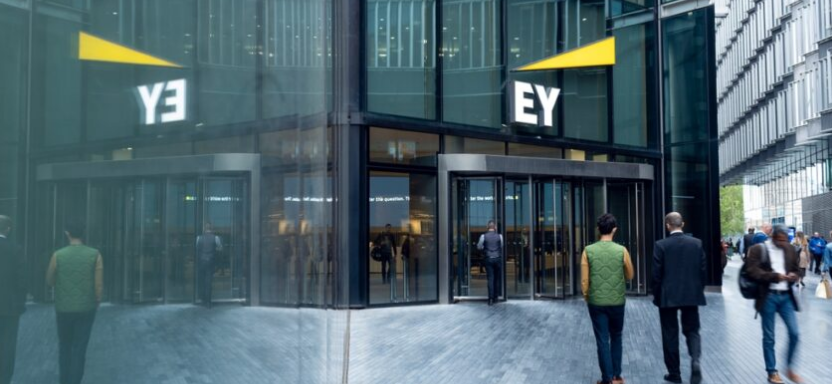
Deloitte, EY, KPMG and PwC — collectively known as the Big Four — have reduced their graduate and school-leaver intake for the second year running. Together employing around 100,000 people in the UK, the firms are undergoing a rapid transformation, driven by cost pressures and the growing capabilities of generative AI.
KPMG made the deepest cuts, reducing its graduate intake by 33% — from 1,399 hires in 2023 to just 942 this year. Deloitte followed with an 18% drop, while EY and PwC reduced graduate hiring by 11% and 6% respectively.
The downturn comes as firms grapple with a post-pandemic slowdown in demand for consulting services and tighter client budgets. To maintain profitability — including the lucrative partner payouts — firms are increasingly relying on AI tools like ChatGPT to automate routine analysis, financial modelling, and document preparation once performed by entry-level staff.
“The Big Four are looking at AI very seriously to replicate junior work more cost-effectively,” said James O’Dowd, managing partner at executive search firm Patrick Morgan.
In addition to adopting AI, the firms are ramping up offshoring efforts, relocating more work to lower-cost locations such as India, Malaysia and the Philippines. The dual strategy of automation and offshoring is shrinking the traditional entry point for UK-based graduates.
The impact is evident in recruitment trends. Graduate job advertisements in the accounting sector have fallen 44% year-on-year — far exceeding declines seen across the broader graduate job market.
Despite the pullback, the Big Four are positioning themselves as leaders in the AI economy. Deloitte, PwC and EY are actively developing AI assurance services — auditing tools that assess the reliability, fairness and safety of AI models.
“AI assurance is critical to adoption,” said Richard Tedder, a partner at Deloitte. PwC is reportedly preparing to launch its own offering soon.
With UK government estimates suggesting AI could add £200 billion to the national economy — including a £78 billion boost from SME adoption alone — the sector is bracing for major change. But public scepticism lingers: KPMG research shows only 42% of UK adults trust AI, and nearly 75% say they’ve had no formal training.
As AI continues to reshape the profession, a growing concern looms over the future of talent development. With entry-level roles disappearing, industry insiders warn of a long-term risk: if junior roles are automated, how will the next generation of senior leaders emerge?