Reform UK has ignited a political firestorm with the launch of its proposed “Britannia Card” — a new tax policy that would allow ultra-wealthy individuals to legally avoid paying UK taxes on foreign income, capital gains, and inheritance in exchange for a one-off payment of £250,000 every 10 years.
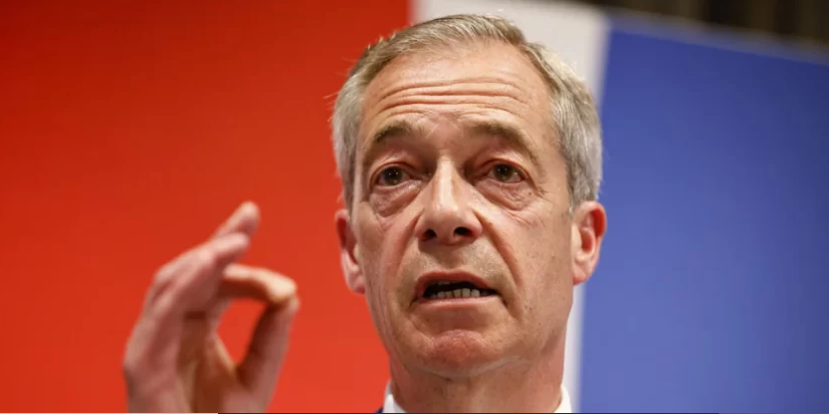
Announced by party leader Nigel Farage, the scheme is being pitched as a bold incentive to attract high-net-worth individuals back to Britain. Farage described it as a way to “bring in job creators and risk-takers,” who would boost the economy through investment, spending and VAT, despite being exempt from most UK taxes on overseas wealth.
But the policy has provoked widespread criticism from across the political spectrum, with Labour branding it a “golden ticket for foreign billionaires,” and Conservative figures dismissing it as “fantasy economics.”
Under the proposal, Britannia Card holders would gain full exemption from UK taxes on all foreign earnings and wealth, and would face no inheritance tax on overseas assets — all in return for a £250,000 fee paid once a decade.
Reform UK estimates the scheme could raise between £1.5 and £2.5 billion annually, which it says would be redistributed to the lowest-paid 10% of full-time UK workers, potentially offering them between £600 and £1,000 per year tax-free.
However, economists have questioned both the logic and the numbers behind the plan. Stuart Adam, senior economist at the Institute for Fiscal Studies (IFS), warned that the Treasury could lose far more in unpaid taxes than it gains from the flat fee. “If someone is willing to pay £250,000 upfront, it likely means they’re avoiding much more than that in taxes,” he said.
Dan Neidle of Tax Policy Associates went further, suggesting the plan could cost the UK £34 billion over five years. He also criticised the redistribution element, noting it excludes low-income workers not in full-time employment — many of whom are among the most financially vulnerable.
Labour’s Shadow Chancellor Rachel Reeves said the proposal would “undermine the integrity of the UK tax system” and leave working families to shoulder the burden of lost revenues. “This is a billionaire’s charter that would strip funding from the NHS and schools,” she said.
Even some Conservatives voiced concern. Shadow Chancellor Mel Stride said the plan would damage the UK’s reputation for responsible fiscal policy: “Britain needs investment and fairness — not tax loopholes dressed up as reform.”
The policy emerges as the government prepares to abolish the long-criticised “non-dom” tax regime by 2026, replacing it with a new system that will tax all UK residents on their global income after four years. Labour says the shift will raise £12.7 billion over five years to support public services.
In contrast, Farage’s Britannia Card appears designed to appeal to global elites and entrepreneurial investors, but faces growing scrutiny over its potential to deepen inequality and erode public confidence in the fairness of the UK’s tax system.
While Reform UK positions the scheme as a pragmatic solution to lure wealth back to Britain, critics warn it risks turning the country into a “tax haven for the super-rich” — and that could prove a tough sell with voters.