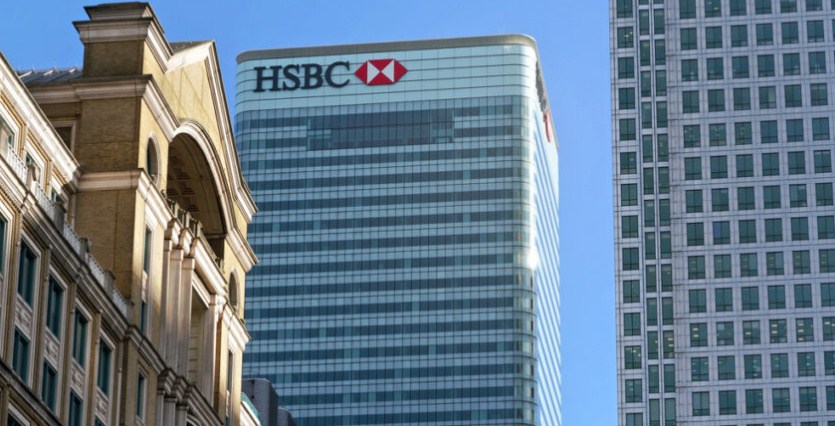
HSBC is confronting a significant space shortfall just as it prepares to bring more employees back into the office, raising questions over its post-pandemic real estate strategy. The banking giant, which once championed a leaner property footprint in favour of hybrid working, now faces a logistical challenge that could cost up to £150 million annually.
According to reports, once HSBC relocates to its new headquarters near St Paul’s Cathedral in 2027, its London staff will only have enough desk space to be present one and a half days per week—well below the three-day in-office minimum currently being encouraged by management.
The issue is not confined to the UK. HSBC is reportedly experiencing similar desk shortages in key operations hubs in India and China, including Bangalore, Hyderabad, and Guangzhou, further complicating efforts to standardise its hybrid work model globally.
The dilemma comes as new CEO Georges Elhedery, who took over in late 2024, attempts to steer the bank through a broad restructuring effort aimed at saving £1.1 billion annually. The space shortage presents an early test of his leadership, particularly as he seeks to balance cost efficiencies with changing workplace expectations. HSBC has so far declined to comment publicly on the matter.
The current predicament stems from decisions made under former CEO Noel Quinn, who in 2021 announced a 40% reduction in global office space as part of a shift toward remote and flexible working. The move included plans to vacate HSBC’s iconic Canary Wharf tower in favour of a smaller, more modern headquarters at BT’s former offices on Newgate Street.
That building, located in the City of London, is roughly half the size of the bank’s Canary Wharf skyscraper and was chosen during a period of optimism about the permanence of remote work.
However, with the bank now encouraging a stronger in-office presence, that earlier optimism is being reassessed. Insiders say HSBC is already scouting for additional office space near its future City HQ and is even considering leasing offices in Canary Wharf again, potentially at 40 Bank Street, a vacant property just minutes from its current base.
While no deal has been confirmed, sources familiar with the discussions suggest the bank’s renewed interest in Canary Wharf illustrates how fast attitudes toward remote work are evolving—and the challenges that come with recalibrating real estate decisions in real time.
HSBC’s experience reflects a broader trend across the financial sector, where firms are struggling to find equilibrium between hybrid models, cost constraints, and growing pressure to foster in-person collaboration.
As Elhedery seeks to modernise HSBC’s operations without compromising employee flexibility, the bank’s next moves could become a blueprint—or a cautionary tale—for other institutions navigating the uncertain future of work.