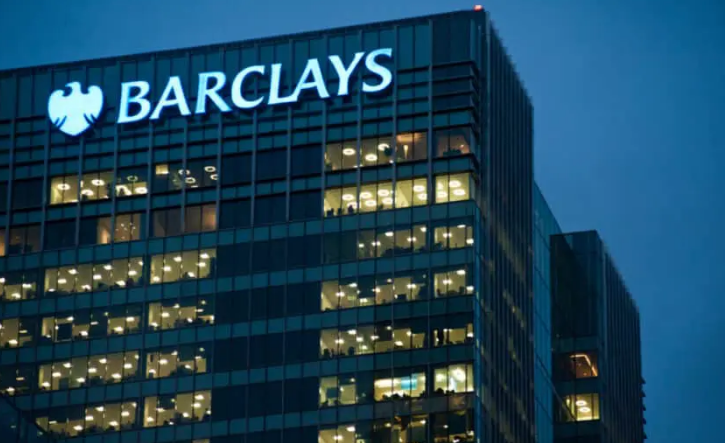
A new tax on Britain’s banks in October’s Budget could weaken London’s position as a global financial centre and encourage jobs and investment to move overseas, according to Nigel Green, chief executive of financial advisory group deVere.
Green issued the warning as banks and financial firms prepare for an intense lobbying campaign ahead of Chancellor John Healey’s Budget on October 28. Trade unions are calling for a windfall tax on bank profits to help finance support for household energy bills, while senior figures in the banking industry have reportedly urged the government not to make the UK a less attractive place for financial businesses.
“Capital doesn’t sit still and wait to be taxed,” Green said. “It moves to wherever the environment is friendliest, and it moves fast.”
He pointed to New York as an example of how tax pressures can affect financial employment. Green said London should pay close attention to changes in the US financial sector, warning that jobs moved abroad can be difficult to recover once companies establish operations elsewhere.
The comments follow concerns from major banking executives about the UK’s tax burden. Citigroup chief executive Jane Fraser recently expressed concern about the country’s 48 per cent effective bank tax rate. JPMorgan chairman Jamie Dimon also said in May that the bank could reconsider its planned £9.9 billion Canary Wharf tower if Britain became hostile towards banks.
British banks already face several layers of taxation. Alongside the 25 per cent corporation tax rate, lenders pay a three per cent surcharge on profits and a separate levy based on their balance sheets. The measures were introduced following the 2008 financial crisis.
Green acknowledged that banks remain highly profitable. Britain’s largest lenders reported combined profits of more than £29 billion during the first half of the year, a figure unions have cited as evidence that the sector can afford to pay more.
However, Green argued that the financial and professional services industries already make a major contribution to government revenues. HM Revenue and Customs figures show the banking sector generated £35.2 billion through PAYE, corporation tax, bank levy and bank surcharge receipts during the 2024-25 financial year.
The debate comes as the government faces weaker growth and limited room for additional borrowing. Public sector borrowing reached £1.8 billion in July, compared with an expected £500 million surplus, while borrowing for the financial year so far has exceeded official forecasts.
Green said banks were watching the Budget closely before deciding on future office expansions and hiring.
He warned that a tougher tax regime could encourage international firms to direct investment towards Frankfurt, Dublin or New York instead of London.
“Growth comes from stability,” Green said, arguing that a windfall tax could provide short-term revenue while damaging Britain’s longer-term tax base and financial sector.